Strength Training vs Hypertrophy—What’s the Real Difference?
Definitions and Core Concepts
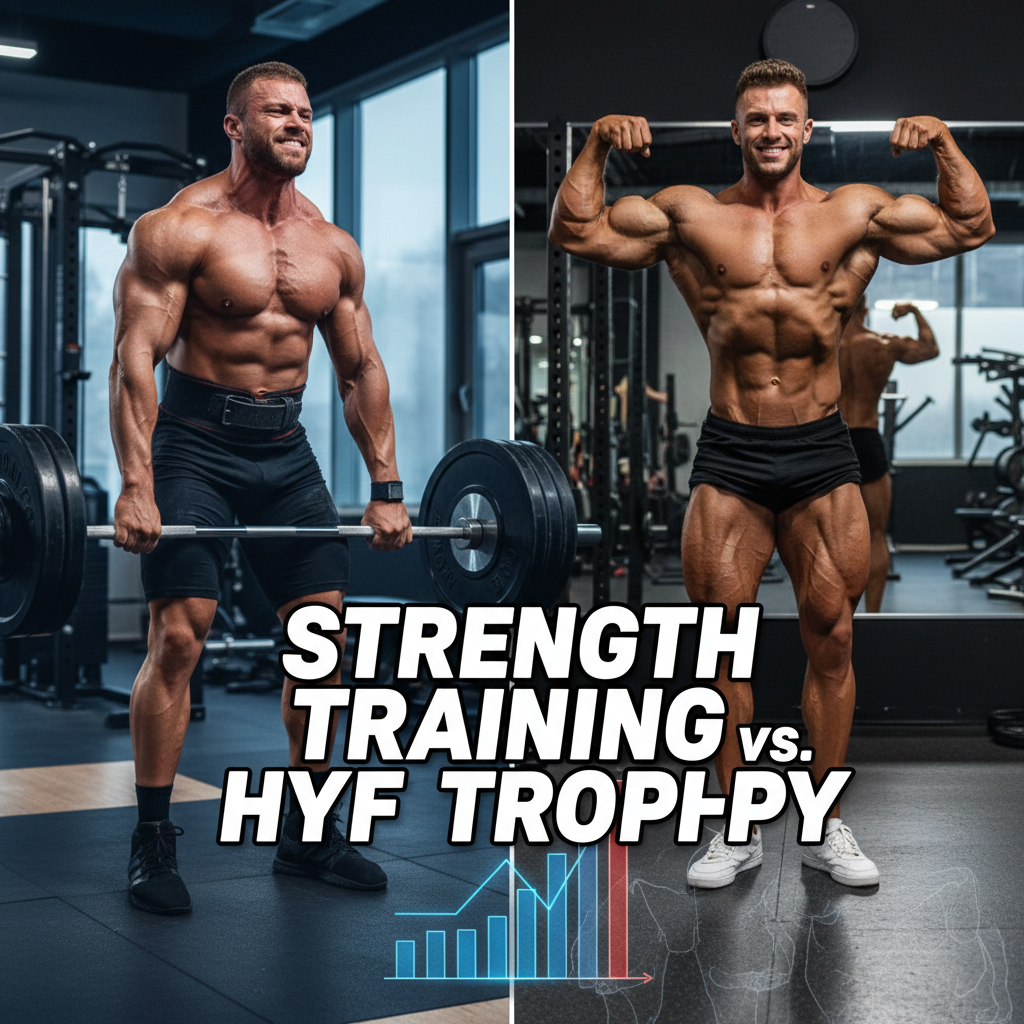
Strength training means lifting weights to get stronger. Hypertrophy means lifting weights to make your muscles bigger. Both improve your health but focus on different results.
Key Training Variables Compared (Reps, Sets, Load, Tempo, Rest)
- Strength training uses heavier weights, fewer repetitions (reps), and more rest.
- Hypertrophy uses moderate weights, more reps, and less rest between sets.
- Sets are the number of times you repeat a group of reps.
- Tempo is the speed you lift and lower the weight.
- Rest helps your body recover before the next set.
Neural vs Muscular Adaptations Explained
Strength training focuses on teaching your nerves and muscles to work better together. Hypertrophy focuses on growing the size of muscle fibers. Both need practice and regular workouts.
Building Your Routine: How to Choose a Strength or Hypertrophy Program
Assessing Your Personal Goals and Training Background
- Write down if you want bigger muscles, more strength, or both.
- Think about your experience. Are you a beginner or have you trained before?
- Choose a plan that matches your goals. Hypertrophy for size, strength for power, or a mix for both.
Structuring Your Weekly Workouts (Sample Plans Included)
Below are two sample weekly plans. Pick the one that matches your goal.
- Strength Plan:
- Day 1: Full Body Strength (Heavy weights, 4-6 reps, 3-5 sets each)
- Day 2: Rest or Light Cardio
- Day 3: Lower Body Strength
- Day 4: Rest
- Day 5: Upper Body Strength
- Day 6 & 7: Rest or Sports
- Hypertrophy Plan:
- Day 1: Upper Body (8-12 reps, 3-4 sets each)
- Day 2: Lower Body
- Day 3: Rest or Cardio
- Day 4: Full Body
- Day 5: Arms and Shoulders
- Day 6 & 7: Rest
Combining Strength and Hypertrophy for Max Results (Hybrid Approaches)
- Start each workout with heavy, low-rep strength lifts.
- Finish with moderate, higher-rep sets for muscle growth.
- This way you train for both power and size in one session.
Nutrition for Strength Training and Hypertrophy—What’s Essential in 2026?
Macronutrient Strategies for Each Training Type
- Eat enough protein to build muscles (1.6-2.2g per kilogram of body weight).
- Carbs give you energy for hard workouts.
- Healthy fats help with hormone balance and recovery.
- For strength, focus on more calories and protein.
- For hypertrophy, eat slightly more calories than you burn.
Sample Meal Plans for Strength Gains vs Muscle Growth
| Strength Plan Sample Meal | Hypertrophy Plan Sample Meal |
|---|---|
| Breakfast: Eggs, oats, fruit Lunch: Chicken, brown rice, veggies Dinner: Steak, sweet potato, salad Snack: Greek yogurt, nuts |
Breakfast: Protein shake, toast, banana Lunch: Turkey sandwich, salad Dinner: Grilled fish, rice, broccoli Snack: Cottage cheese, berries |
Supplements Backed by Science
- Protein powder: Helps you get enough protein.
- Creatine: Boosts strength for short, intense workouts.
- Omega-3: Helps recovery and joint health.
Optimal Recovery for Strength and Hypertrophy Training
Sleep, Rest Days, and Muscle Repair
- Aim for 8 hours of sleep every night.
- Take 1-2 rest days each week.
- Rest helps muscles grow and repair after exercise.
Active Recovery and Mobility Work
- Stretch after workouts to help muscles recover.
- Try light activities on rest days, such as walking or cycling.
- Foam roll or practice yoga to stay flexible.
Signs of Overtraining to Watch Out For
- Feeling very tired all the time.
- Muscle soreness that does not go away.
- Getting sick more often.
- Trouble sleeping or mood changes.
Busting Myths Around Strength and Hypertrophy (2026 Edition)
Can You Train for Both at Once?
Yes! Many workouts mix strength and hypertrophy for the best results. You can get bigger and stronger with a smart plan.
Why You’re Not Getting Bigger—or Stronger
- You might not be eating enough.
- Your workouts might not be hard enough or too repetitive.
- You might not be resting enough to allow muscle growth.
Debunking Outdated Advice
- You don’t have to train every day to see results.
- Girls and boys can both lift weights safely and benefit from it.
- Light weights for many reps are not always best for muscle growth.
Common Strength Training and Hypertrophy Mistakes (and How to Avoid Them)
Technique Errors and Program Design Pitfalls
- Avoid using weights that are too heavy or too light for good form.
- Follow a balanced program, don’t skip certain muscle groups.
- Learn the right way to do every exercise before adding more weight.
Ignoring Progression, Volume, or Variety
- Change your reps, sets, and exercises every few weeks to keep improving.
- Keep track of the weight you use and try to lift more over time.
Nutrition and Recovery Blunders
- Don’t forget to eat enough protein each day.
- Don’t skip rest days. Your body needs time to recover.
- Stay hydrated and avoid junk food most of the time.
Real-Life Case Studies: Athlete Journeys in Strength vs Hypertrophy
Success Story 1—From Powerlifting to Bodybuilding
Alex started as a powerlifter, focusing on heavy lifts. Later, he trained for muscle size and entered bodybuilding competitions. Alex learned to mix both styles for the best results.
Success Story 2—Building Strength for Sports Performance
Maria played soccer. She started strength training to be faster and stronger on the field. Her performance improved, and she got fewer injuries. Maria used strength and hypertrophy together.
Lessons Learned and Tips from the Experts
- Set clear goals and stick to your plan.
- Ask for help from coaches or trainers.
- Listen to your body and rest when needed.
FAQs: Strength Training Versus Hypertrophy in 2026
Can Hypertrophy Training Improve Strength?
Yes. Bigger muscles can lift more weight. Most people get both stronger and bigger with regular training.
How Often Should You Switch Programs?
Try a program for 6 to 8 weeks before changing it. Switching too fast can slow your progress.
Is One Better for Fat Loss?
Both help you lose fat if combined with the right diet. Hypertrophy uses more calories, but strength training helps keep muscle during weight loss.
Resources and Next Steps: Optimizing Your Fitness Journey
- Find workout videos online to learn proper form.
- Use journals or apps to track your progress.
- Join fitness communities for support and tips.
- Ask advice from certified trainers or school coaches.
Summary and Next Steps
- Choose your goal—strength, size, or both.
- Follow a well-designed workout and nutrition plan.
- Rest and recover to allow your muscles to grow.
- Be consistent and track your progress every week.
- Stay open to learning and make small changes to improve.
Strength training and hypertrophy both offer great benefits. With the right plan, tools, and attitude, you can build muscle, gain power, and feel your best by 2026 and beyond!