Why Strength Training for Hips Matters in 2026
Key Benefits for Everyday Life, Sports, and Longevity
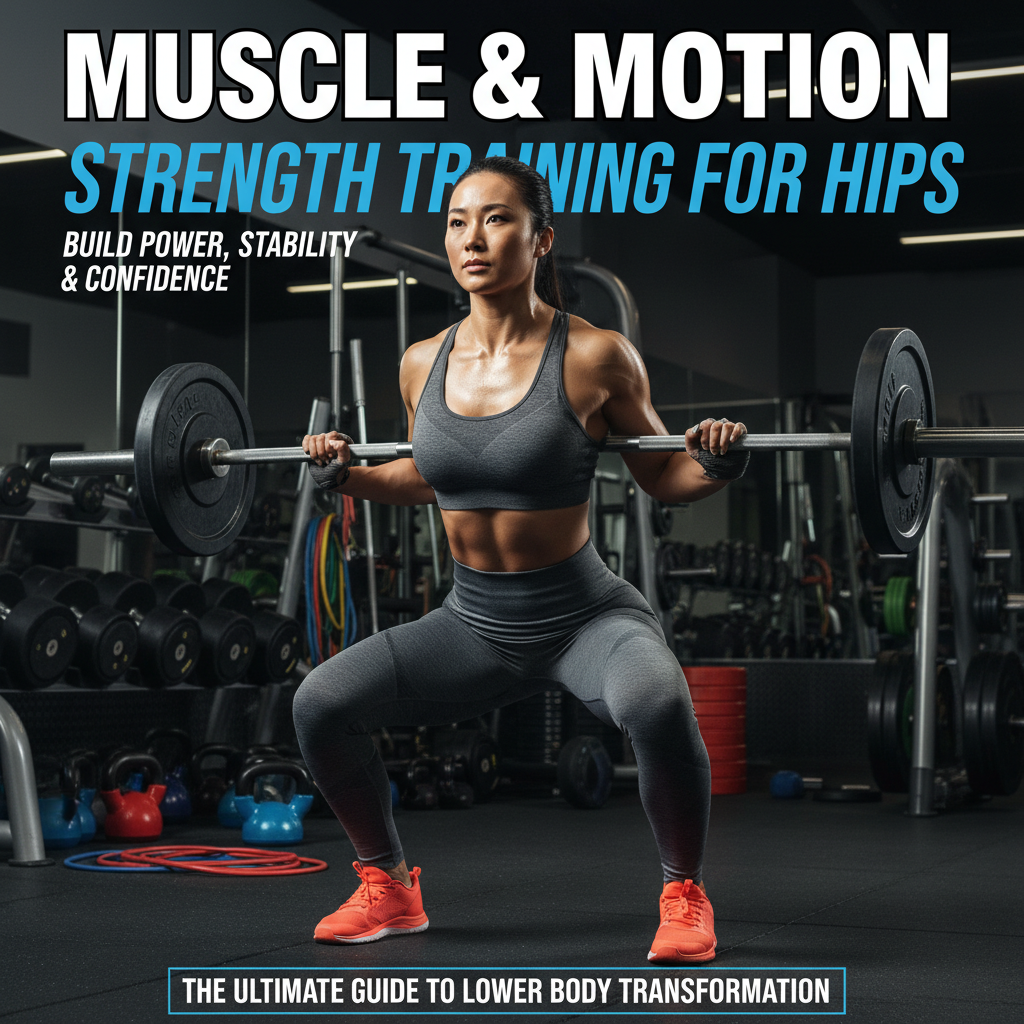
Strength training for hips is essential for everyone—young or old, active or just starting out. Strong hips improve balance, make walking and running easier, and help you avoid injuries. In sports, athletes with strong hips can jump higher, run faster, and change directions quickly. Good hip strength also supports your lower back and knees, helping you move better and live a healthier life as you age.
Latest Research and Trends in Hip Health
Recent studies show that strength training for hips reduces the risk of injury in both teens and adults. New trends include using bodyweight, resistance bands, and weights to boost hip strength. More schools and sports programs now focus on hip exercises to help students stay fit and active.
Hip Anatomy and the Muscles Targeted by Strength Training
Understanding Hip Flexors, Extensors, Abductors, and Adductors
The hip is a large joint that connects your leg to your body. Four main muscle groups work together to help your hip move:
- Flexors: Help you lift your knee up (like when climbing stairs).
- Extensors: Let you move your leg back (useful for running or jumping).
- Abductors: Move your leg out to the side (important for side steps or skating).
- Adductors: Pull your leg towards your body (helpful for crossing your legs).
Common Weaknesses and Imbalances
Many people have weak hip muscles from sitting too much. Often, the hip flexors get tight while the glutes and hip abductors become weak. This can cause pain or problems with knees, back, or posture. Strength training for hips helps fix these imbalances.
Choosing Your Strength Training Approach: Mobility, Stability, and Power
Mobility vs. Strength: Which Comes First?
Mobility means how well your hip moves. Strength is how much force your muscle can make. It is best to first ensure your hips move easily (mobility), then build up strength. Both are important for healthy hips, and you can improve them together with the right exercises.
The Importance of Balance for Injury Prevention
Balanced hips help you avoid injuries. By working both sides of your body and all the hip muscles, you stay strong and steady. This balance protects your knees and back too, especially during sports or everyday activities.
Strength Training for Hips by Experience Level
Beginner Hip Strength Routine (Step-by-Step)
- Warm up: March in place or do jumping jacks for 3-5 minutes.
- Glute Bridge (3 sets of 10 reps)
- Clamshell (3 sets of 12 reps each side)
- Fire Hydrant (3 sets of 10 reps each side)
- Standing Side Leg Raise (3 sets of 12 reps each side)
- Cool down: Stretch hips and legs for 5 minutes.
Intermediate Hip Strength Routine (Progressions)
- Warm up: High knees or fast jogging for 5 minutes.
- Single-Leg Glute Bridge (3 sets of 8 reps each leg)
- Lateral Band Walks (3 sets of 12 steps each way)
- Bulgarian Split Squat (3 sets of 8 reps each leg)
- Resistance Band Clamshell (3 sets of 12 reps each side)
- Cool down: Longer hip stretches for 5-10 minutes.
Advanced Hip Strength Routine (Challenging Variations)
- Warm up: Dynamic mobility drills for 5-7 minutes.
- Weighted Hip Thrust (4 sets of 8 reps)
- Single-Leg Deadlift (4 sets of 6 reps each side)
- Pistol Squat to Bench (3 sets of 6 reps each leg)
- Banded Monster Walk (3 sets of 16 steps)
- Plyometric Lateral Lunge (3 sets of 8 reps each side)
- Cool down: Deep hip and glute stretches for 10 minutes.
Essential Hip Strengthening Exercises
Bodyweight Staples for Hips: Glute Bridge, Clamshell, Fire Hydrant, and More
- Glute Bridge: Lie on your back with knees bent and feet flat. Push hips up, squeeze glutes, then lower down.
- Clamshell: Lie on your side, knees bent. Lift your top knee while keeping your feet together, then lower it down.
- Fire Hydrant: On hands and knees, lift one knee out to the side like a dog at a fire hydrant, then lower.
- Standing Side Leg Raise: Stand tall, lift one leg to the side, lower back down, and switch sides.
Resistance Band and Weighted Hip Exercises
- Lateral Band Walk: Place a resistance band above your ankles. Step side to side, keeping tension in the band.
- Weighted Hip Thrust: Sit on the floor, back against a bench. Roll a weight over hips, lift hips up, squeeze glutes, lower down.
- Bulgarian Split Squat: Place one foot behind you on a bench, squat with the other leg while holding dumbbells or a barbell.
Mobility Drills to Complement Strength Training
- 90/90 Hip Stretch: Sit with knees bent at 90 degrees, one leg in front, one to the side. Lean forward gently to feel a stretch.
- World’s Greatest Stretch: Lunge forward, bring elbows to the floor inside your front foot, twist towards your knee.
Program Design: Sets, Reps, and Weekly Schedules for Optimal Results
Training Frequency for Best Hip Gains
For best results, do strength training for hips 2-3 times a week, with at least one rest day in between. Aim for 2-4 sets of each exercise, with 8-12 reps for most moves. Beginners often start with lower sets and reps.
Warm-Up and Cool-Down: Injury Prevention Essentials
Always warm up before training to get your muscles ready. Easy cardio (like jogging) and dynamic moves (like leg swings) help. After training, cool down with hip stretches or gentle walking to help muscles recover and prevent tightness.
Real-Life Application: Hip Strength in Running, Lifting, and Daily Activities
Modifying Hip Workouts for Sports and Aging
Strong hips help you move better whether playing soccer, running track, or just carrying groceries. Young athletes can add jumping and side-stepping drills. Older adults may use lighter weights or more focus on balance. Modify exercises to match your activity and ability.
Adapting Exercises for Injury Recovery or Limited Mobility
If you have an injury or trouble moving, start with simple exercises like seated marches or gentle hip movements. Always talk to a doctor or therapist before changing your routine. Use chairs, walls, or bands for support if needed.
Expert Tips and Common Mistakes in Hip Strength Training
Proper Form and Technique Cues
- Keep your back straight and chest up during exercises.
- Push through your heels, not your toes, for better glute work.
- Avoid letting your knees collapse in or out; keep them tracking your toes.
- Move slowly and control each repetition.
How to Progress Safely and Avoid Plateaus
- Add more reps, sets, or weight as you get stronger, but only a little at a time.
- Change up exercises every few weeks to challenge your muscles.
- Listen to your body, and rest if you feel pain.
Integrating Hip Strength Training into Your Total Fitness Plan
Make strength training for hips a regular part of your total fitness plan. Combine these exercises with workouts for your upper body and core for the best results. Track your routines in a notebook or app, and celebrate your progress.
Frequently Asked Questions About Strength Training for Hips
- How long before I see results?
Most people feel stronger in 3-4 weeks with regular hip training. - Can I do hip exercises every day?
It is best to have rest days. Aim for 2-3 hip sessions per week. - What if my hips feel sore?
Soreness is normal, but sharp pain is not. Rest until the soreness passes and don’t skip your warm-up and cool-down. - Do I need special equipment?
No, just your body weight to start. Resistance bands and weights can add extra challenge later. - Are hip exercises good for knee or back pain?
Yes, a strong hip can help support your knees and back. Always ask your doctor what is safe if you already have pain.
Summary: Key Points and Next Steps
- Strength training for hips improves balance, power, and injury prevention for all ages.
- Start with mobility, then build strength using bodyweight, bands, or weights.
- Follow beginner, intermediate, and advanced routines as you progress.
- Train hips 2-3 times a week, use good form, and always warm up and cool down.
- Adjust exercises for sports, age, or injury for best results.
- Add hip training to your total fitness plan and track your growth.
Your Next Step
Now you know why strength training for hips is so important and how to get started no matter your fitness level. Pick a routine, gather any basic tools you need, and begin today. With steady practice, you’ll enjoy better movement, more power, and healthier hips for life!