Why Strength Training Matters for Cyclists in 2026
Latest Research on Strength Training Benefits for Cyclists
In recent years, studies have proven that strength training for cyclists leads to better performance on the bike. Research from 2024 to 2026 shows that even a few short gym sessions each week can boost power, help prevent injuries, and make riding more efficient. Cyclists of all ages and levels can benefit from strength training, not just professionals.
How Strength Training Improves Cycling Performance
Strength training for cyclists improves muscle power, making it easier to pedal faster and climb hills. Stronger muscles also protect your joints and reduce fatigue during long rides. Overall, cyclists who include strength workouts see better results and enjoy riding more.
Busting Myths About Muscle and Endurance
Some cyclists worry that lifting weights will make them bulky or slow. Recent studies confirm that with the right approach, strength training helps cyclists become leaner, faster, and more resilient. Gaining muscle does not mean losing speed; it means gaining control and power.
Setting Goals: Assessing Your Cycling and Strength Needs
Identifying Strength Weaknesses in Cyclists
Before starting strength training, know where you need to improve. Weak spots for cyclists often include the core, glutes, and hamstrings. Take note if you struggle with climbs, sprints, or holding position on long rides. These could signal specific strength gaps.
Matching Strength Training to Cycling Goals (Endurance, Climbing, Sprinting)
Every cyclist has unique goals. Endurance riders need stamina and core strength. Climbers benefit from powerful legs and strong glutes. Sprinters focus on explosive power. Choose strength exercises that target your weaknesses and match your cycling style.
Building a Baseline: Simple Strength Assessment
- Test your core strength: Hold a plank for as long as possible.
- Perform bodyweight squats, counting how many you can do in one minute.
- Try a set of lunges for each leg, keeping good form.
- Track your push-ups to measure upper body and core engagement.
Record your numbers. Retest every month to see your progress.
Step-by-Step Strength Training Programs for Cyclists
Beginner Program: Laying a Strong Foundation
- Warm up: 5 minutes light cardio (walking, cycling)
- Bodyweight squats: 2 sets of 12 reps
- Glute bridges: 2 sets of 10 reps
- Planks: 2 sets, 30 seconds each
- Reverse lunges: 2 sets of 8 reps per leg
- Cool down: 5 minutes stretching (hamstrings, quads, back)
Intermediate Program: Building Power and Stability
- Warm up: 10 minutes dynamic movements (jumping jacks, high knees)
- Weighted squats: 3 sets of 10 reps
- Deadlifts (light weights): 3 sets of 8 reps
- Side planks: 3 sets of 25 seconds per side
- Step-ups: 3 sets of 10 reps per leg
- Cool down: Stretch all major muscle groups
Advanced Program: Maximizing Performance and Explosiveness
- Warm up: 10 minutes cardio, dynamic stretches
- Barbell squats: 4 sets of 8 reps
- Power cleans or kettlebell swings: 4 sets of 6 reps
- Bulgarian split squats: 3 sets of 8 reps per leg
- Medicine ball slams: 3 sets of 8 reps
- Core circuit: 3 rounds (plank, side plank, bicycle crunch)
- Cool down: Foam rolling and stretching
Exercise Library: Key Moves Every Cyclist Should Master
- Squats: Build leg strength and endurance.
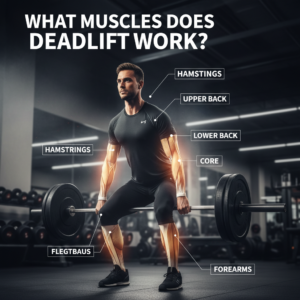
- Deadlifts: Strengthen the entire posterior chain.
- Lunges: Improve balance and power.
- Planks: Core stability for bike control.
- Glute bridges: Activate glutes for efficient pedaling.
- Push-ups: Upper body and core strength.
Integrating Strength Work with Cycling Training
Periodization: When to Prioritize Strength in Your Training Year
Periodization means planning your training in phases. Do more strength training during the off-season. In the race season, reduce gym sessions and focus more on riding. This approach prevents burnout and ensures you peak at the right time.
Weekly Scheduling: Balancing Rides and Gym Sessions
- Beginner: 2 strength sessions per week, rest between hard rides.
- Intermediate/Advanced: 2–3 sessions, avoid heavy lifting right before important rides.
- Tip: Do strength workouts after easy rides or on separate days.
Recovery Tips and Managing Fatigue
- Take at least one full rest day per week.
- Sleep 7–9 hours nightly to help muscles repair.
- Use light stretching and foam rolling after gym or bike sessions.
Common Mistakes Cyclists Make with Strength Training
Training Pitfalls to Avoid
- Skipping strength training for cyclists, especially in winter or off-season.
- Lifting too much weight and forgetting proper form.
- Not resting enough between sessions.
Safety Guidelines and Injury Prevention
- Always start with a warm-up.
- Use light weights until you master form.
- Ask for help or coaching when trying new exercises.
- Stop if you feel pain, not just muscle fatigue.
Adapting for Age, Gender, and Experience
- Younger athletes should focus on basic movements and body control.
- Older cyclists may need longer warm-ups and lighter weights.
- Both men and women benefit equally from strength training for cyclists.
New Insights: 2024–2026 Scientific Breakthroughs in Cyclist Strength Training
Recent Studies and What They Mean for You
Recent research highlights that strength training for cyclists increases pedal efficiency, accelerates recovery, and reduces injury risk. These findings show that even short, regular gym sessions make a big difference.
Key Updates to Previous Methods
- Fewer, higher-quality reps are now preferred over long, exhausting workouts.
- Core work is seen as essential for all cyclists, regardless of discipline.
- Combining stability and power exercises improves both sprinting and endurance.
Expert Takeaways for Optimal Results
- Stick to basic, compound movements.
- Monitor progress regularly, adjusting intensity gradually.
- Mix in both gym-based and bodyweight exercises.
Nutrition and Recovery for Strength-Driven Cyclists
Fueling Strength Training and Riding
- Eat a light meal with protein and carbohydrates an hour before workouts.
- Stay hydrated before, during, and after training.
- Consume a recovery snack with protein within 30 minutes after strength sessions.
Recovery Routines to Maximize Gains
- Use foam rollers, massage, or gentle stretching to help muscles recover.
- Prioritize quality sleep every night.
- Take a day off if you feel unusually tired.
Frequently Asked Questions: Strength Training for Cyclists Answered
- How often should I do strength training for cyclists? 2–3 times per week works well for most.
- Will I get bulky? No. Proper cycling and moderate strength training improve lean muscle and performance.
- Do I need gym equipment? Not always. Many exercises use bodyweight or basic tools like bands or light dumbbells.
- Can I combine strength with endurance riding? Yes. Follow a balanced schedule and listen to your body.
- Is strength training suitable for young or older riders? Yes, but adjust the program for age and ability.
Expert Q&A: Real Advice from Coaches and Athletes
- Coach: “Consistency is key. Start slow, focus on form. A little strength work goes a long way for cyclists.”
- Pro Athlete: “I ride stronger and recover faster thanks to regular strength training for cyclists.”
- Trainer: “Don’t fear the gym. Every cyclist, beginner or pro, benefits from improved power and injury prevention.”
Summary: Key Points and Next Steps
- Strength training for cyclists in 2026 is proven to enhance performance and reduce injuries.
- Assess your strengths and weaknesses to choose the right exercises for your riding style.
- Follow a suitable program, balancing gym work with cycling and recovery.
- Avoid common mistakes and update your training with the latest scientific findings.
- Combine good nutrition and sleep for the best strength and cycling results.
Begin your strength training for cyclists journey today and experience a new level of performance, endurance, and enjoyment on every ride!