Why Combine Running with Strength Training?
Benefits for Performance, Injury Prevention, and Overall Fitness
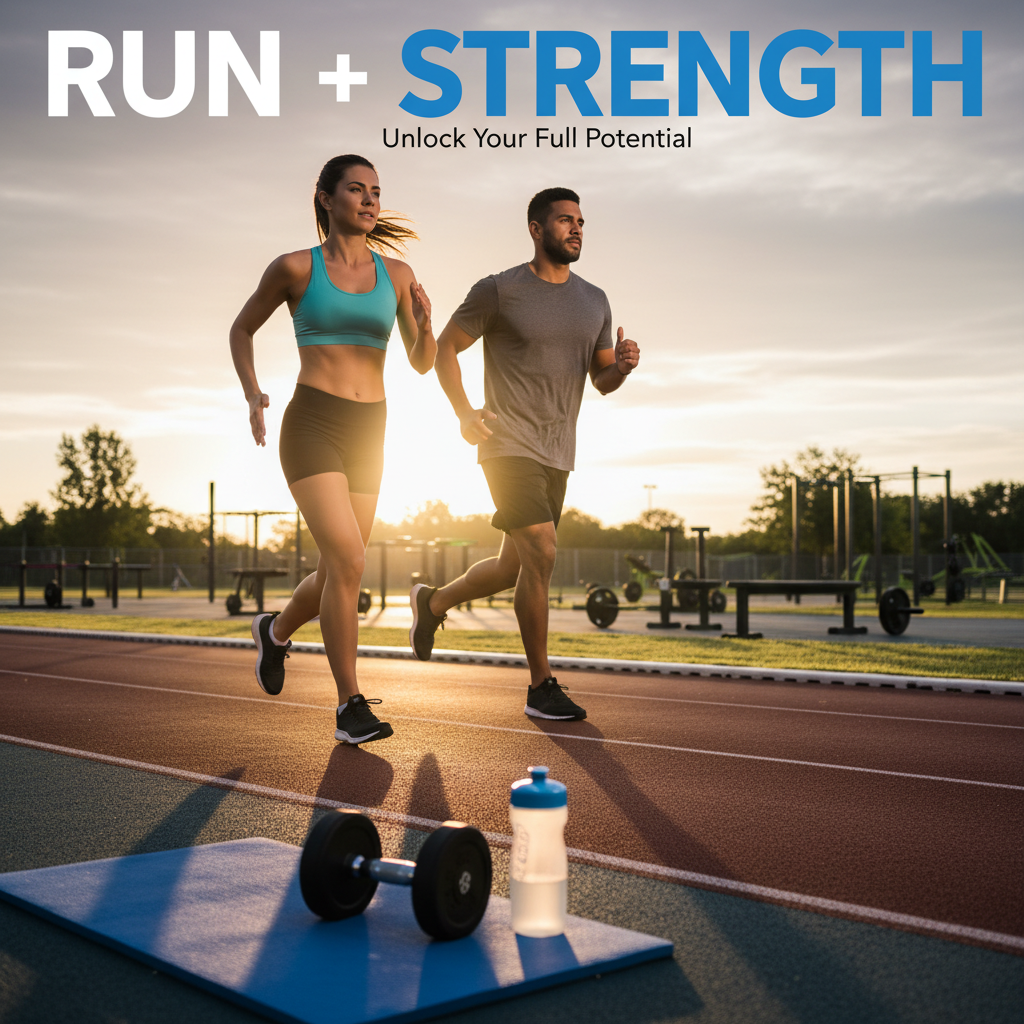
Combining running with strength training helps you get stronger, run faster, and reduces your risk of injuries. When you build your muscles, your joints and bones become more stable. This supports your body during runs and makes you less likely to get hurt. Mixing both types of training also improves overall fitness and keeps your routine interesting.
Science-Backed Evidence Supporting Combined Training
Studies show runners who add strength workouts become more efficient and resilient. Researchers have found that mixed training increases muscle power, strengthens your core, and improves heart health. This blend can help you run longer with less fatigue.
Foundations of a Running Plan with Strength Training
Understanding the Key Strength Movements for Runners
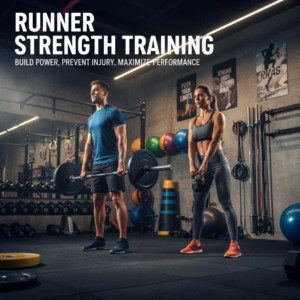
To complement running, focus on exercises that work your legs, hips, core, and upper body. The most important movements are squats, lunges, deadlifts, planks, push-ups, and pull-ups. These help build the muscles you use in each stride.
Balancing Aerobic Endurance and Muscle Power
A good plan gives time for both running and strength. Aerobic endurance builds your stamina, while muscle power helps you run with better form. Alternate running and strength days, or combine shorter sessions on the same day if you are short on time.
Personalizing Your Running and Strength Training Plan
Assessing Your Fitness Level: Beginner, Intermediate, Advanced
Start by checking your current fitness. Can you run for 10 minutes without stopping? Do you know how to do a squat, push-up, or plank? Beginners should start slow; intermediate users can run longer and handle more strength reps.
How to Set Realistic Goals (Speed, Distance, Body Composition)
- Speed: Track your time for a set distance (e.g., 1.5 km). Aim to get faster each week.
- Distance: Gradually increase how far you run weekly, starting with what feels comfortable.
- Body Composition: Take a photo or note how you feel in your clothes. Focus on progress over perfection.
Choosing Home vs. Gym-Based Routines
- Home: Use bodyweight exercises like squats, lunges, and push-ups. Try resistance bands for extra challenge.
- Gym: You can access machines and weights for more options, such as leg presses or dumbbell exercises.
Week-by-Week Hybrid Training Plans (4–8 Weeks)
Customizable Printable Schedules for Every Level
| Level | Run Days/Week | Strength Days/Week | Example Focus |
|---|---|---|---|
| Beginner | 3 | 2 | Short run + basics (squats, planks) |
| Intermediate | 4 | 2 | Intervals, longer runs + weighted exercises |
| Advanced | 5 | 3 | Speedwork + heavy lifts (deadlifts, pull-ups) |
Progression: Adjusting Loads, Volume, and Intensity Over Time
- Every 2 weeks, add 1–2 reps per set or increase run time by 5–10%.
- If a workout feels easy, try lifting a slightly heavier weight or running faster for short bursts.
- Listen to your body—skip or scale back if you feel pain (not just soreness).
Example Hybrid Weekly Breakdown (Strength + Running Days)
- Monday: Run (easy pace, 20-30 min)
- Tuesday: Strength training (full body, 30 min)
- Wednesday: Rest or active recovery (stretch, walk)
- Thursday: Run (intervals, 20-25 min)
- Friday: Strength training (lower body focus, 30 min)
- Saturday: Run (long run, 35-45 min)
- Sunday: Rest
Integrating Strength Training Without Sacrificing Running Gains
Designing Your Schedule to Maximize Recovery and Performance
Alternate hard run or strength sessions with lighter or rest days. This helps you avoid fatigue and lets your muscles rebuild. Make sure you get enough sleep and drink plenty of water.
Sample Training Splits for Busy Lifestyles
- Split your week: 2 days running, 2 strength, 1 mixed, 2 rest.
- Or, do 20 minutes running and 20 minutes strength in one session, 3-4 times per week.
Combining Bodyweight, Dumbbell, and Gym Options
- Bodyweight: Great for beginners; no equipment needed.
- Dumbbells: Add challenge as you get stronger. Try goblet squats or dumbbell rows.
- Gym machines: Useful for advanced moves or focused strength-building (e.g., leg press, cable machines).
Essential Exercises for Runners
Core Strengthening Moves
- Plank (front and side): Hold 20–40 seconds, repeat 2–3 times.
- Dead bugs or bicycle crunches: 10–12 reps per side.
- Glute bridges: 12–15 reps.
Lower-Body Compound Exercises (Squats, Deadlifts, Lunges)
- Bodyweight squat: 3 sets of 12–15 reps.
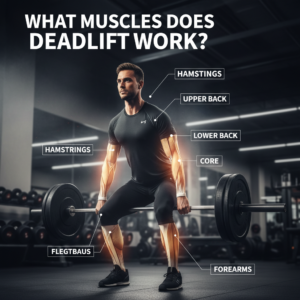
- Romanian deadlift (with dumbbells): 3 sets of 10–12 reps.
- Walking lunges: 10–12 reps each leg.
Upper-Body and Plyometric (Push-ups, Pull-ups, Box Jumps)
- Push-ups (knee or full): 2–3 sets of 8–12 reps.
- Pull-ups (assisted or full): 2 sets of 4–8 reps.
- Box jumps or step-ups: 2 sets of 8–10 reps.
Practical Tips & Tools for Success
Digital Templates and Downloadable Trackers
Use online templates to plan your weekly workouts. Write down your runs and strength sessions. Track times, sets, and reps to see progress.
Monitoring Progress with Wearables and Apps
- Running apps (like Strava or Nike Run Club) help track distance and pace.
- Fitness trackers can count steps, heart rate, or calories.
- Take progress pictures or notes each week.
Incorporating Recovery Methods (Foam Rolling, Stretching)
- Foam roll muscle groups for 3–5 minutes after workouts.
- Stretch your hamstrings, quads, and calves.
- Try yoga on rest days for extra mobility and relaxation.
Expert Insights and Troubleshooting
Common Mistakes and How to Avoid Them
- Doing too much too soon—stick to your plan and progress gradually.
- Ignoring pain signals—rest and see a specialist if needed.
- Skipping rest or sleep—recovery is essential for gains.
Adapting Your Plan for Injury or Performance Plateaus
- If sore or slightly hurt, reduce impact or try low-intensity cross-training (cycling or swimming).
- For plateaus, add variety: change your run route, interval times, or try new strength moves.
Trainer and Physical Therapist Q&A
- Q: How often should I change my routine?
- A: Every 4–6 weeks, switch up some exercises or the order to keep improving.
- Q: What if I don’t have access to weights?
- A: Bodyweight training works well—focus on more reps and challenging variations.
Frequently Asked Questions: Running Plan with Strength Training
- Can I run and strength train on the same day? Yes, but put harder session first and allow time to recover.
- How long before I see results? Most people notice improvements in 4–6 weeks.
- Do I need special shoes? Running shoes, and if lifting heavy, flat shoes for stability.
Resources and Further Reading (2026 Edition)
Best Apps, Videos, and Communities for Runners Combining Strength Training
- Apps: Nike Training Club, Strava, StrongLifts
- Videos: Search “Strength Training for Runners” on YouTube
- Communities: Reddit r/running, Facebook running groups
Free Download: Printable Hybrid Training Templates
Look for printable plans online: search for “hybrid running and strength training plan PDF.” Many fitness sites offer free downloads you can print or fill in digitally.