Understanding Low Impact Strength Training
What Is Low Impact Strength Training?
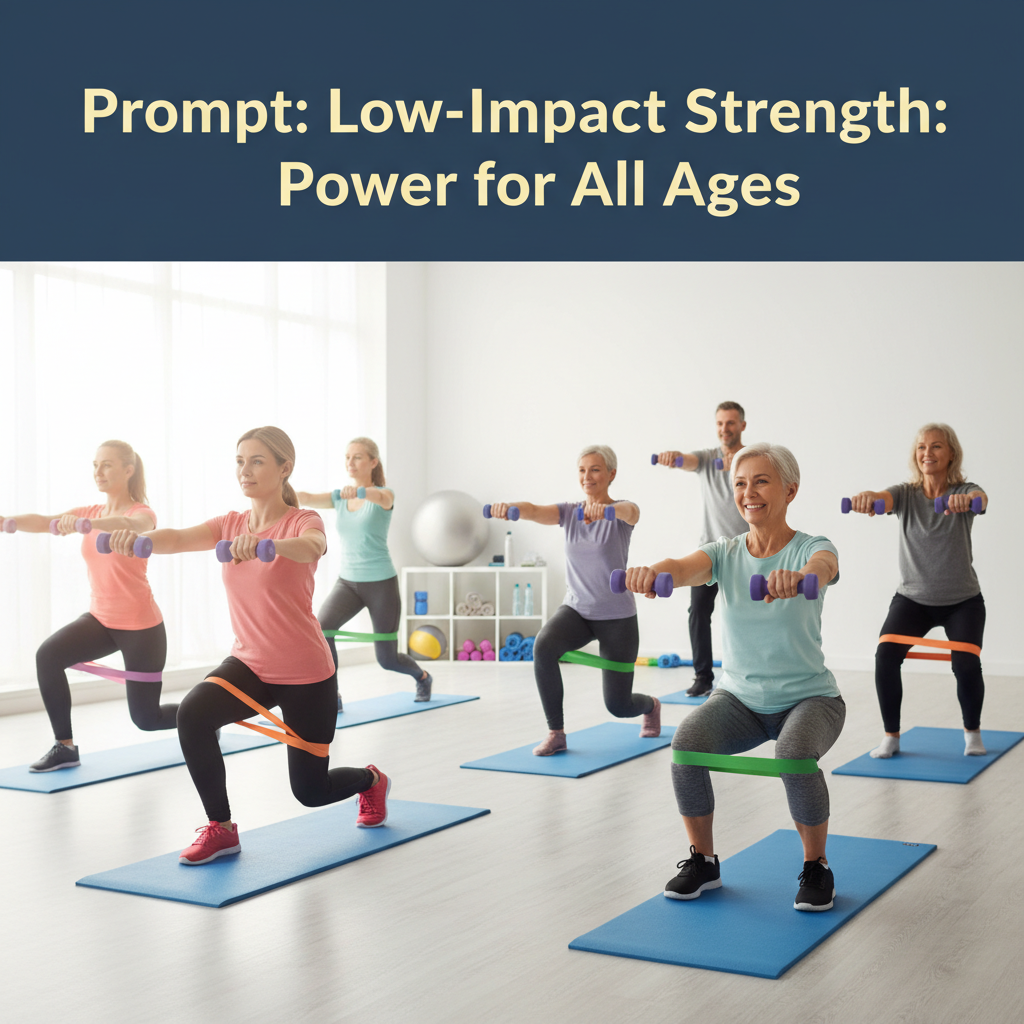
Low impact strength training is a type of exercise that builds muscle and strength without putting too much stress on your joints. Unlike high impact workouts, these exercises avoid jumping or heavy pounding movements. Instead, movements are smooth and controlled. Examples include squats, resistance band exercises, bodyweight moves, and lifting light weights. This makes it a safer choice for many people.
Key Benefits Over High Impact Workouts
- Reduces risk of joint injury and pain
- Suitable for all fitness levels, including beginners
- Promotes muscle growth and fat loss without harsh movements
- Helps with mobility, balance, and everyday activities
- Easy to adapt as you get stronger
Who Should Try Low Impact Strength Training?
- Beginners or people new to strength training
- Anyone recovering from injuries or with joint problems
- Older adults or those seeking a safer workout
- Athletes wanting a break from high impact routines
- Anyone looking for an effective, joint-friendly way to get fit
Essential Principles of Low Impact Strength Training
The Science Behind Building Strength Safely
Building strength means using your muscles against resistance, like your body weight or bands. Low impact training focuses on slow, steady moves. This gives your muscles time to work without shocking your joints. You still challenge your body, but in a safer way, minimizing the chance of injuries.
Low Impact vs. Low Intensity: Clarifying the Difference
Low impact does not mean easy! Low impact workouts avoid hard landings, but they can still be challenging and get your heart rate up. Low intensity means the workout is gentle overall. In low impact strength training, you can work hard while protecting your joints.
Addressing Common Myths About Low Impact Training
- Myth: Low impact means no results. Fact: You can gain muscle and lose fat with the right plan.
- Myth: Only older adults need low impact. Fact: All ages benefit from joint-friendly exercise.
- Myth: Low impact is boring. Fact: Workouts can be varied and fun if you are creative.
Preparing for Low Impact Strength Training
How to Assess Your Fitness Level and Readiness
- Note any injuries, joint pain, or health issues.
- Try basic moves (like squats or wall push-ups) and see how you feel.
- If unsure, check with a doctor or fitness expert before you start.
- Be honest about your current fitness. Start with simple versions and work up.
Equipment Checklist: What You Need (and How to Train Without Any Equipment)
- Optional: Resistance bands, light dumbbells, or water bottles
- Yoga mat for comfort
- Chair or sturdy table for support
- If no equipment: Use your own body weight for exercises
Safety Tips for Beginners, Injury Recovery, and Older Adults
- Warm up before you start
- Listen to your body and stop if you feel pain
- Start with low resistance and add more as you get stronger
- Move slowly and with control, focusing on good form
- Stay hydrated and rest if you feel dizzy or tired
Step-by-Step Low Impact Strength Training Routine
Warm-Up: Low Impact Mobility and Activation
- March in place for 1 minute
- Arm circles – 10 forward, 10 backward
- Hip circles – 10 each direction
- Leg swings – 10 each leg
- Wall push-ups – 10 reps
Core Low Impact Strength Moves (With Form and Technique Tips)
- Squat to Chair (10-15 reps)
- Stand with feet hip-width apart, slowly lower hips down to touch a chair, return to standing.
- Keep knees behind toes, chest up, push through your heels.
- Wall Push-Ups (10-15 reps)
- Stand facing a wall, hands on wall at shoulder height, bend elbows to bring chest towards wall, push back.
- Keep your body straight, core tight.
- Standing March with Bicep Curl (10-15 reps each arm)
- Hold dumbbells/bottles, march in place, curl weights towards shoulders with each step.
- Side Leg Raises (10-12 reps each leg)
- Hold onto a chair, lift one leg to the side and lower slowly.
- Keep your body straight, avoid swaying.
- Seated Knee Extensions (10-12 reps each leg)
- Sit on a chair, extend one leg out straight, hold, and lower slowly.
Progressions and Modifications for Every Level
- Beginner: Use just your body weight and move slowly
- Intermediate: Add light weights or resistance bands
- Advanced: Increase reps, slow tempo, or hold positions longer
Cool Down and Recovery Techniques
- Gentle stretching for legs, arms, and back (hold each for 20-30 seconds)
- Deep breathing while sitting or lying down
- Foam rolling or gentle massage (optional)
- Drink water and relax for a few minutes
Customizing Your Low Impact Strength Training Plan
How to Build Your Weekly Routine
- Start with 2-3 sessions per week
- Add one more session as you adapt
- Alternate muscle groups to allow recovery
- Track your sessions in a notebook or digital tracker
Adapting for Specific Goals: Fat Loss, Mobility, Muscle Gain
- Fat loss: Shorten rest periods between moves, add brisk walking
- Mobility: Include dynamic stretches and range of motion exercises
- Muscle gain: Use heavier bands/weights or more reps over time
Planning for Plateaus and How to Overcome Them
- Change exercise order or try new moves every few weeks
- Increase resistance or number of sets
- Slow down your movements for a new challenge
- Track your progress and aim for gradual improvement
Expert Tips and Strategies for Maximum Results
Common Mistakes to Avoid in Low Impact Strength Workouts
- Poor form – focus on quality rather than speed or weight
- Skipping warm-up or cool-down
- Doing the same routine for too long
- Not listening to your body’s signals
How to Stay Motivated: Tracking Progress and Celebrating Wins
- Set clear, small goals (ex: add one more rep each week)
- Use a progress chart or digital app
- Celebrate personal bests – like mastering a new move
- Share your progress with friends or online groups
Real Trainer Insights: What the Pros Recommend in 2026
- Stick with routines for at least 4-6 weeks before changing
- Emphasize form and mind-muscle connection for best results
- Mix in balance exercises to avoid one-sided strength
- Schedule regular recovery days
Frequently Asked Questions About Low Impact Strength Training
Best Frequency and Duration for Results
- 2-4 sessions per week is best for beginners
- Aim for 20-40 minutes per session
- Consistency is more important than long sessions
Can Low Impact Training Replace Traditional Strength Routines?
- Yes, for most people, low impact training covers core strength needs
- Athletes may still want to add specific sports-based training
- Anyone can benefit from swapping in low impact routines as needed
Troubleshooting Pain, Form, and Motivation Issues
- If you feel pain (not just muscle effort), stop and check your form
- Ask a trainer for feedback or use video tutorials for guidance
- If motivation drops, set new goals or invite a friend to join
Interactive Resources and Next Steps
Printable Beginner Checklists and Trackers
- Weekly workout log sheet
- Equipment checklist for each session
- Progress tracking table for strength moves
Video Demonstrations and Additional Reading
- Search for “Low Impact Strength Training Tutorial 2026” on YouTube
- Read articles or books about low impact fitness for deeper learning
- Look for step-by-step guides with clear video instructions
How to Connect with a Community for Support and Accountability
- Join online fitness forums or local group classes
- Share your progress and challenges with others
- Ask questions and swap tips to stay motivated