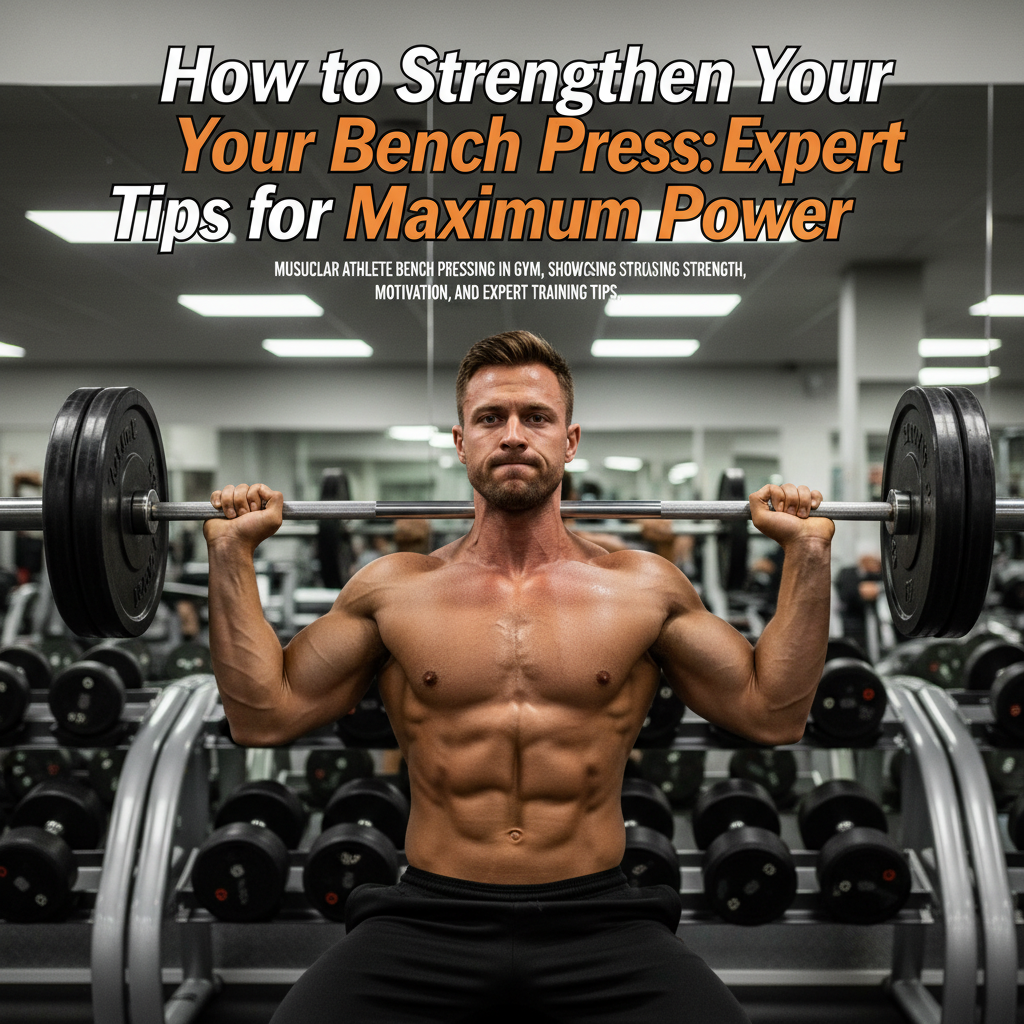
Why Strengthen Your Bench Press? Key Benefits and Modern Insights
Performance, Muscle Growth, and Everyday Life
Bench press strength is a core skill for anyone interested in fitness. Improving your bench press helps you build muscle and become stronger. A powerful bench press is not only useful in sports like football and basketball but also helps with daily activities, such as lifting, pushing, or carrying heavy objects. Getting stronger boosts your confidence and overall health.
How 2026 Training Innovations Enhance Results
New training methods in 2026 use up-to-date science and technology. Modern apps and wearables can track your progress, suggest changes, and even correct your form. Advanced programs focus on short sessions, recovery, and personalized feedback. These methods help everyone, especially grade 9 students, avoid mistakes and reach their goals faster.
Mastering Bench Press Technique: Foundation for Strength
Step-by-Step Guide to Perfect Setup and Execution
-
Set Up the Bench: Place the bench flat under the barbell in a safe gym or with a sturdy home setup. Check the barbell is secure and not too high or low.
-
Grip the Bar Properly: Lie down with your eyes under the bar. Grab the bar with hands wider than shoulder-width. Wrap your thumbs around the bar for safety.
-
Position Your Body: Keep your feet flat on the ground. Push your chest up and shoulders back against the bench. Hold a light arch in your lower back.
-
Lift-Off: Take a deep breath, brace your whole body, and lift the bar out of the rack. Hold it steady above your chest.
-
Lowering: Lower the bar slowly to the middle of your chest, keeping your elbows at about 60 degrees from your body.
-
Press Up: Drive the bar up with strength, pushing through your feet and chest until your arms are straight again.
-
Rack Safely: Move the bar back over the rack posts and set it down gently. Always ask for a spotter if lifting heavy.
Common Mistakes and How to Avoid Them
- Bouncing the Bar: Never bounce the bar off your chest. This can cause injury.
- Lifting Hips: Do not lift your hips off the bench. This takes away from chest work and can hurt your back.
- Uneven Grip: Make sure your hands are equal distance apart to avoid muscle imbalances.
- Rushing the Reps: Take your time with each repetition for best results and safety.
Mind-Muscle Connection and Breathing Strategies
- Focus on Muscles: Concentrate on your chest and arms pushing the weight. This helps target the right muscles (mind-muscle connection).
- Breathing: Inhale deeply before lowering the bar, then exhale as you press up. Always brace your body to protect your spine and improve power.
Programming Your Progress: Structuring Effective Bench Press Workouts
Sample Programs for Beginners, Intermediates, and Advanced Lifters
| Level | Reps & Sets | Notes |
|---|---|---|
| Beginner | 3×8-10 reps | Start light, focus on form, 2 times per week |
| Intermediate | 4×6-8 reps | Add weight slowly, 2-3 times per week |
| Advanced | 5×3-5 reps | Include pauses, 3 times per week |
Weekly Frequency, Volume, and Intensity Explained
- Frequency: Train your bench press 2-3 times a week for steady gains.
- Volume: This is the total number of reps and sets per week. Start with 24-30 reps divided over your workouts.
- Intensity: How heavy the weight is compared to your maximum lift. Begin with lighter weights to learn good technique.
Adaptive Programming: Modifying Plans When Progress Stalls
- Add Reps or Weight: If you can do your set easily, try adding a small amount of weight next session.
- Change Sets and Reps: If you get stuck, switch up your sets (for example, do 4×5 instead of 3×8).
- Rest and Recover: Take a break week every 6-8 weeks to rest muscles and joints fully.
Accessory Exercises to Boost Your Bench Press Strength
Top Movements for Overcoming Weak Points
- Close-Grip Bench Press: Focuses more on triceps for the finishing press.
- Dumbbell Bench Press: Builds stability and corrects imbalances.
- Paused Bench Press: Pausing at the bottom improves control and power off the chest.
Upper Body and Core Work for Maximum Power
- Push-Ups: Great for extra chest, shoulders, and triceps support.
- Lat Pulldowns or Pull-Ups: Strong back muscles help stabilize the bar during bench press.
- Planks: A strong core supports better bench technique.
- Shoulder Rows: Keeps your shoulders healthy and supports heavy lifts.
How to Rotate Accessories in Your Routine
- Choose two accessory lifts to do after your main bench workout.
- Switch accessory exercises every 4-6 weeks to keep improving.
- Keep reps moderate (8-12) to focus on muscle building.
Troubleshooting Plateaus and Sticking Points
Diagnosing Bench Press Weaknesses (Self-Assessment Tools)
- Record your lifts to check form and speed at different parts of the press.
- Ask a coach or friend to spot where you get stuck (bottom, middle, or top of lift).
- Note if your arms, chest, or triceps give out first.
Strategies for Breaking Through Plateaus
- Try paused reps or slow negatives for better control.
- Add extra sets or try new accessory movements.
- Take an extra rest day to let muscles recover and grow.
Managing and Preventing Common Injuries
- Warm up with light weights and movement exercises before heavy bench press.
- Stop if you feel sharp or unusual pain. Rest and recover fully before trying again.
- Stretch your chest, shoulders, and back after workouts.
Leveraging Technology: 2026 Tools and Apps for Bench Press Success
Best Apps for Tracking and Analyzing Progress
- 2026 fitness apps let you log every bench press session. They track your reps, sets, and weight so you can spot trends.
- Some top apps include smart reminders and personalized plans for faster bench press strength gains.
Using Wearables and Smart Devices to Improve Technique
- Wearables like smartwatches and motion sensors help you measure rep speed and bar path.
- These tools spot mistakes and coach you on perfecting form in real time.
Virtual Coaches and AI-Assisted Feedback
- AI virtual coaches in 2026 can film your sessions, show areas for improvement, and award badges for hitting targets.
- This guidance helps you stay motivated and progress safely.
Psychological and Recovery Factors for Bench Press Gains
Motivation, Visualization, and Building Confidence
- Set realistic bench press goals and celebrate every win.
- Before each session, picture yourself lifting well. This builds confidence.
- Train with friends for support and fun challenges.
The Role of Sleep, Nutrition, and Stress Management
- Aim for at least 8 hours of sleep for muscle repair.
- Eat enough protein, carbs, and healthy fats after training.
- Manage stress with hobbies, talking, or meditation. This keeps you focused and strong.
Frequently Asked Questions: Bench Press Strengthening
- How often can I bench press?
2-3 times per week is safe for most. Rest days help muscles grow. - What if I don’t have a spotter?
Use lighter weights, or bench press with safety bars in a power rack. - Can beginners get strong fast?
Yes, with a smart bench press program, gains come quickly—especially with good sleep and food. - How do I avoid injury?
Warm up, use good form, and never skip rest. Stop if you feel pain. - What if I’m stuck?
Review your bench press workout plan. Try new accessory lifts, add rest, or ask for advice.
Personalized Bench Press Roadmap: Action Plan for Every Lifter
-
Set your goal: For example, “bench press my bodyweight” or “add 10kg this year”.
-
Choose your level: Beginner, intermediate, or advanced. Pick the right program from above.
-
Prepare equipment: Find a safe bench, barbell, and weights. Use a logbook or app to track every workout.
-
Warm up and practice perfect form at each session.
-
Add accessory lifts and rotate them every 4-6 weeks.
-
Assess your progress monthly using apps or video. Adjust the bench press workout if needed.
-
Focus on sleep, balanced meals, and managing stress for the best gains.
-
Stay patient. Improving your bench press strength is a journey, not a sprint.
Key Takeaways and Next Steps
- Bench press strength benefits sports, health, and daily life.
- Smart technique, the right bench press program, and good rest are essential for progress.
- Logging your sessions and adapting workouts keep results coming.
- Use new apps and tech in 2026 for easier, safer, more effective training.
- Motivation, recovery, and fun make the journey last and your bench press stronger.
Start your personalized bench press workout plan today, and see your strength grow every month. Don’t forget to enjoy the process—every rep makes you stronger for life!