What Does “Get Fit Fast” Really Mean in 2026?
Defining “Fast” Fitness: Expectations vs. Reality
Getting fit fast means improving your strength, speed, and endurance in the shortest time possible. It does not mean overnight changes or extreme shortcuts. Science shows you can make real progress in weeks, but lasting results need regular effort.
How Much Can You Achieve in 30, 60, and 90 Days?
- 30 days: Visible progress in energy, mood, and core strength. Small muscle and endurance gains.
- 60 days: Noticeable improvements in muscle tone, stamina, and flexibility. Clothes fit better.
- 90 days: Significant fat loss, muscle definition, and improved performance if you stay consistent.
The Science Behind Rapid Fitness Improvements
How Your Body Responds to Fast-Paced Training
Quick fitness results come from intense but short sessions. Your body adapts by improving heart health, building muscle, and burning more fat. Intense workouts challenge your body to get stronger faster.
Key Studies on HIIT and Accelerated Results
Research shows High-Intensity Interval Training (HIIT) burns more calories in less time. Studies say HIIT can boost fitness in two weeks and improve heart health much faster than slower workouts.
The Role of Recovery in Fast Fitness
Rapid gains need proper rest. Recovery helps muscles rebuild and grow. Skipping rest can lead to injury and slow results. Quality sleep and rest days are as important as workouts.
Creating Your Fast-Track Workout Plan
Full-Body HIIT Circuit for All Levels (With Progressions)
- Squats: 30 seconds, rest 15 seconds (add jump for more challenge).
- Push-ups: 30 seconds, rest 15 seconds (use knees if needed).
- Mountain climbers: 30 seconds, rest 15 seconds.
- Plank: 30 seconds (side plank for advanced).
- Repeat 3-5 cycles, 3 times a week.
Add-On Strength Sessions: Compound Moves for Speed
- Deadlifts (with proper technique): Use a backpack or dumbbells.
- Lunges: Forward, backward, or walking lunges for legs and glutes.
- Pull-ups or Assisted Pull-ups: Use sturdy bar or door frame device.
- Train 2-3x per week on non-HIIT days.
Mobility & Flexibility Integration for Injury Prevention
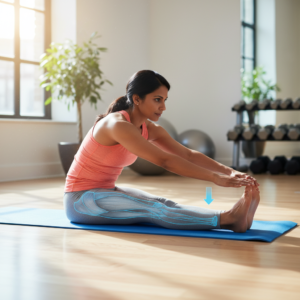
- Start each session with 5 minutes of stretching (hips, shoulders, hamstrings).
- End workouts with another 5 minutes of full-body stretches.
- Use light yoga poses or foam rolling on rest days.
Sample Weekly Schedule: 30/60/90 Day Options
| Day | 30 Days | 60 Days | 90 Days |
|---|---|---|---|
| Mon | HIIT | HIIT + Strength | HIIT + Mobility |
| Tue | Mobility | Strength | Strength + Flexibility |
| Wed | HIIT | HIIT | HIIT |
| Thu | Rest / Light Activity | Mobility | Mobility + Flexibility |
| Fri | Strength | HIIT + Strength | HIIT + Strength |
| Sat | HIIT | Rest / Activity | Mobility |
| Sun | Rest / Walk | Flexibility | Active Recovery |
Nutrition Strategies to Accelerate Fitness Gains
Calorie Deficits vs. Whole Foods: What Works Fastest?
To lose fat fast, eating fewer calories helps. But you need healthy, whole foods for lasting energy: fruits, vegetables, lean protein, and whole grains work best.
Macro Breakdown for Rapid Fat Loss & Muscle Gain
- Protein: Essential for muscle repair (1.5 grams per kg of bodyweight).
- Carbohydrates: Needed for energy, mostly from unprocessed sources.
- Fats: Support hormone health; include healthy fats like nuts and avocado.
Sample Meal Plans and Supplement Considerations
| Meal | Example Foods |
|---|---|
| Breakfast | Oatmeal with banana and peanut butter |
| Lunch | Grilled chicken, brown rice, veggies |
| Dinner | Baked fish, sweet potato, salad |
| Snacks | Greek yogurt, mixed nuts, fruit |
- Supplements: Consider only basics (multivitamin, whey protein) after talking to a doctor. Avoid fad products.
Hydration, Timing, and Fast-Acting Nutrition Hacks
- Drink water before, during, and after exercise.
- Eat protein within 30 minutes post-workout.
- Avoid sugary energy drinks; choose water or electrolyte drinks if sweating a lot.
High-Tech Tools for Getting Fit Faster
EMS (Electrical Muscle Stimulation): What the Science Says
EMS uses electrodes to make muscles contract. Studies show it can help strength, but traditional exercise is more effective and safer for most people.
Peptides and Recovery Aids: Latest Research & Risks
Some supplements may aid recovery, but most are unproven. Many carry health risks, so stick to good sleep, proper nutrition, and hydration for safe rapid improvement.
Wearables & AI Coaching for Personalized Progress
- Fitness trackers and smartwatches can monitor activity, heart rate, and sleep.
- AI-based apps can suggest personalized workouts and track improvements.
Safety, Technique & Injury Prevention for Quick Fitness Gains
Form Check for Popular “Get Fit Fast” Exercises
- Keep back straight during squats and deadlifts.
- Bend arms fully in push-ups, keeping elbows close to your body.
- Move with control—avoid bouncing or jerky actions.
Warnings About Overtraining and Burnout
- More is not always better. Rest prevents injury and emotional burnout.
- Listen to your body—persistent pain means take a break and see a doctor.
Tips for Beginners, Older Adults, and Returning Athletes
- Start slow; increase intensity as you improve.
- Warm up before exercise and cool down after.
- Modify workouts: Use support for balance or lighter weights if needed.
Demographically Inclusive Fitness: Rapid Results for Every Body
Adapting Fast Fitness for Women’s Needs and Hormonal Cycles
- Adjust workout intensity based on energy and cycle phase.
- Stay hydrated and focus on recovery around menstruation for best results.
Modified Routines for Different Ages, Sizes, and Abilities
- Use chairs, support bands, or lighter equipment as needed.
- Choose lower-impact options like walking or cycling if joint pain develops.
Mental Health, Motivation, and Mindset Shifts
- Set small, realistic goals each week. Celebrate progress, big or small.
- Find a workout buddy or support group to stay motivated.
- Remember that fitness is a journey—not just a fast destination.
Common Mistakes to Avoid When Trying to Get Fit Fast
- Skipping warm-ups and cool-downs.
- Overtraining without enough rest.
- Relying only on supplements or technology instead of exercise and nutrition.
- Choosing “miracle” diets or unsafe weight-loss pills.
Frequently Asked Questions About How to Get Fit Fast
- How many days a week should I work out to get fit fast?
Most people see best results with 3-5 sessions per week, plus regular activity. - Can I get fit fast if I’m not already athletic?
Yes! Start at your own pace with beginner routines. - Will fast fitness routines make me bulky?
No, especially if you focus on a mix of cardio and strength. Muscle tone improves, but you will not bulk up suddenly. - Is it safe for teens to follow fast fitness plans?
Yes, if you use correct form, listen to your body, and include rest days.
Summary: Key Takeaways and Next Steps
- Getting fit fast is possible with HIIT, strength training, proper nutrition, and rest.
- Set realistic, science-based goals and track progress.
- Use safe techniques and adjust for your age, size, and ability.
- Be consistent, enjoy the process, and stay motivated for lasting results.
Ready to start? Choose a workout plan, track your progress, and remember: safe, steady progress is the fastest way to success!