What Is the Plank? Understanding the Basics
Definition and Purpose of the Plank Exercise
The plank is a bodyweight exercise that strengthens your core. It is simple, yet effective. You hold your body in a straight line, like a wooden plank, off the ground. The main goal is to build strong abs, back, and shoulders.
Muscles Worked During the Plank
When you do a plank, you use more than just your stomach muscles. The plank works your abs, lower back, shoulders, chest, glutes, and legs. This makes it a great full-body workout.
How to Do the Plank: Step-by-Step Instructions
Plank Set-Up and Starting Position
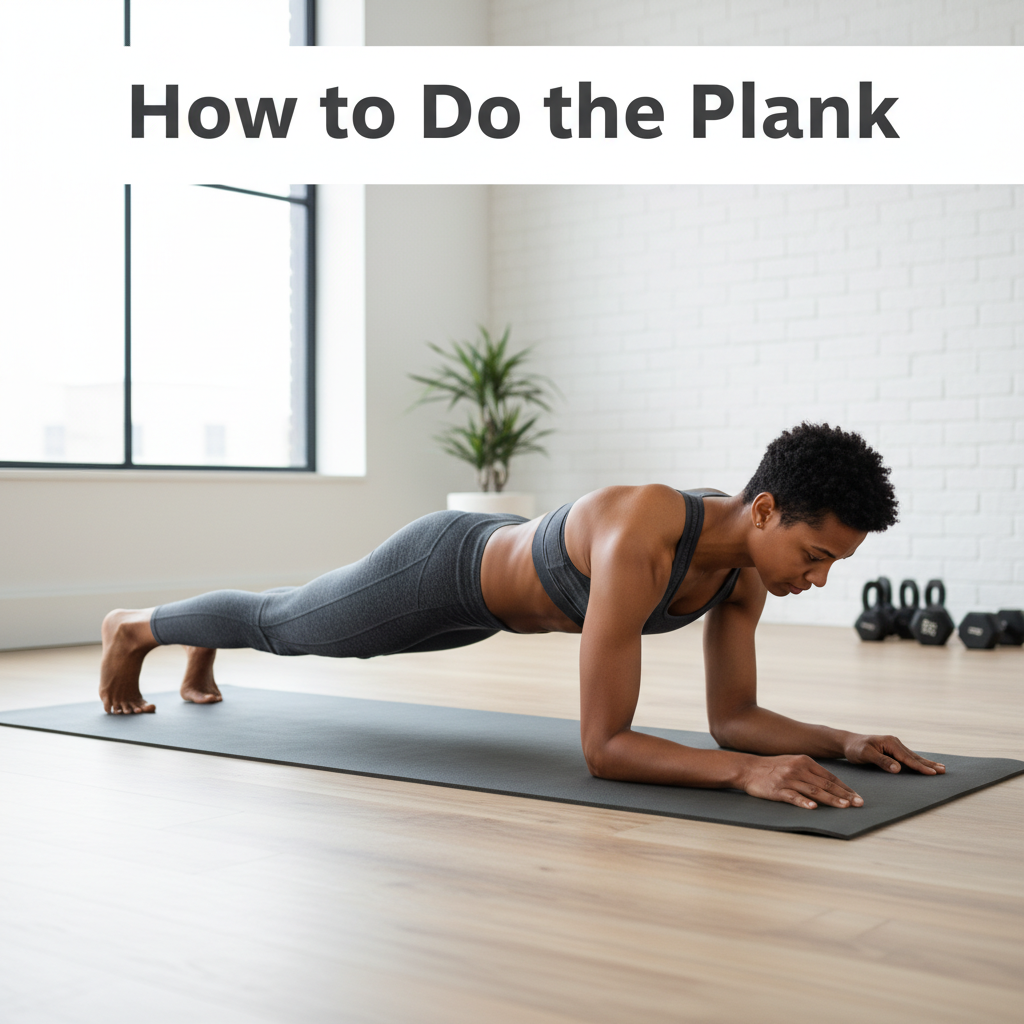
- Find a flat, comfortable surface. Use an exercise mat if you have one.
- Kneel on the mat. Place your forearms flat on the ground, elbows under your shoulders.
- Stretch your legs back. Balance on your toes.
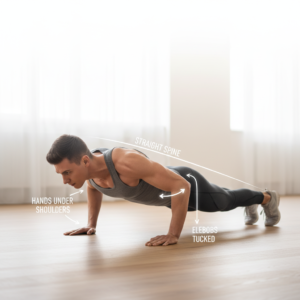
- Keep your body straight from head to heels. Look down and relax your neck.
Correct Plank Form: Essential Cues and Posture Tips
- Keep your elbows under your shoulders.
- Squeeze your glutes and legs.
- Tighten your abs by pulling your belly button toward your spine.
- Keep your hips level, not too high or low.
- Breathe normally.
Common Plank Mistakes and How to Fix Them
- Hips too high: Drop your hips until your body forms a straight line.
- Lower back sagging: Squeeze your core and glutes to keep your form.
- Looking forward: Keep your neck in line with your spine; look down.
- Holding breath: Remember to breathe evenly.
Plank Progressions and Modifications for Every Level
Beginner-Friendly Plank Variations (Knee Plank, Incline Plank)
- Knee Plank: Drop your knees to the mat. Keep your body straight from knees to head.
- Incline Plank: Place your forearms on a raised surface, like a bench. This makes planking easier.
Advanced Plank Variations (Side Plank, Plank with Leg Lift, Stability Ball Plank)
- Side Plank: Turn to one side. Support yourself on one forearm and stack your feet. Repeat on both sides.
- Plank with Leg Lift: In standard plank, slowly lift one leg for a few seconds, then switch.
- Stability Ball Plank: Place your forearms on a ball. Hold your plank, trying to keep balance.
How to Increase Plank Time Safely and Effectively
- Add 5-10 seconds to your hold time every few days.
- Focus on holding perfect form, not just on time.
- Take breaks if your form gets bad or you feel pain.
Troubleshooting: Overcoming Common Plank Challenges
What to Do If You Feel Wrist, Shoulder, or Back Pain
- If your wrists hurt, try forearm planks instead of standard hand planks.
- If shoulders get sore, check your elbow placement. Take breaks if needed.
- If your back hurts, your hips may be sagging. Fix your form and keep your abs tight.
Shaking, Fatigue, and How to Build Endurance
- Shaking is normal when you are working hard. Take short rests and try again.
- Start with short planks, such as 10-20 seconds. Build up little by little.
- Rest for 30-60 seconds between sets.
Frequently Asked Questions: “Why Can’t I Hold a Plank?” and More
- Weak core muscles: Practice every other day and avoid overdoing it.
- Wrong form: Always check your posture in a mirror or video.
- Lack of rest: Muscles need time to recover. Rest is as important as planking.
How Long Should You Hold a Plank? Setting Timers and Realistic Goals
Recommended Hold Times for Beginners, Intermediates, and Advanced
| Level | Plank Hold Time |
|---|---|
| Beginner | 10-30 seconds |
| Intermediate | 30-60 seconds |
| Advanced | 60+ seconds |
Signs You Should Stop or Take a Break
- You feel sharp pain in your back, shoulders, or wrists.
- Your hips start to drop or rise too high.
- You cannot breathe steadily.
Plank Workouts and Weekly Routines for Visible Results
Sample Plank-Only Workouts for Strength and Endurance
- Do 3 sets of 20-second planks. Rest for 40 seconds between sets.
- Try side planks for 15 seconds per side in each round.
- To increase endurance, add 5 seconds per set each week.
How to Incorporate Planks Into Full-Body, HIIT, or Weight Loss Routines
- Do a plank after squats, push-ups, and lunges.
- Add a 1-minute plank at the end of your HIIT session.
- For weight loss, combine planks with walking or cycling.
30-Day Plank Challenge (Downloadable/Printable)
| Day | Plank Time |
|---|---|
| 1-5 | 20 seconds |
| 6-10 | 30 seconds |
| 11-15 | 40 seconds |
| 16-20 | 50 seconds |
| 21-25 | 60 seconds |
| 26-30 | 75 seconds |
Maximizing Results: Nutrition, Recovery, and Tracking Progress
How Planks Support Weight Loss and Core Definition
Planks burn calories and strengthen your core. This helps your body look tighter and fitter. Combined with healthy eating, planking can help with weight loss and muscle definition.
Tips for Tracking Progress and Staying Motivated
- Record how long you hold a plank every session.
- Take photos every week to see visible changes.
- Set goals and reward yourself for reaching them.
Recommended Tools: Apps, Timers, and Wearables in 2026
- Use a stopwatch or phone timer to track plank time.
- Try fitness apps that remind you when to plank.
- Wearables like smartwatches can help track your routine.
Visual Inspiration: Video Demos and Infographics
Step-by-Step Plank Video Tutorial
For clear visuals, search online for “how to do the plank” video guides. These show every step in real time.
Visual Guide: Plank Variations and Correct Form
Look for charts that compare proper plank form and common mistakes. These images help you learn faster.
Expert Tips: Physical Therapist and Trainer Insights on Plank Safety and Effectiveness
Most experts agree: start slow and focus on form. Do not rush to plank longer if your form is bad. If you have lower back or wrist problems, ask a trainer or therapist for advice before you try planking.
Plank Myths, Facts, and Latest Science Updates (2026)
- Myth: Only your abs work during planks. Fact: Planks use many muscles.
- Myth: Planks are enough for a six-pack. Fact: Mix planks with other exercises for best results.
- Science: Studies in 2026 show slow, controlled planks help more with strength than fast ones.
FAQ: Everything You Need to Know About How to Do the Plank
- Is planking every day safe? Most people can plank daily if form is good and no pain. Rest if you feel tired.
- What if I get bored? Try different plank styles to keep it fun and challenging.
- Do I need special equipment? No. You only need a floor and a mat.
- How can I avoid injury? Keep good form, warm up, and stop if anything hurts.
- Why do trainers love the plank? Because it is simple, effective, and trains your whole body at once.
Summary: The plank is a simple exercise that delivers big results. By learning how to do the plank with proper form, you protect your body and help your core grow strong. Start with short holds and clear goals. Stick with it, use the guide’s tips, and see real progress every week. Begin your plank journey today for a stronger, healthier you!