Understanding Your Fitness Goals and Motivation
Identifying Your Why: The Mindset Behind Fitness Success
Step 1: Ask yourself why you want to start a personalized fitness routine. Is it to gain strength, improve health, boost confidence, or something else? Write down your main motivation and keep it somewhere visible. This will help you stay focused when things get tough.
Step 2: Reflect on what has stopped you before. Understanding your past setbacks helps you plan smarter this time.
Setting Realistic Short-Term and Long-Term Fitness Goals
Step 3: Start with small, achievable fitness goals. For example, “Exercise 3 times this week.” Mark each small win.
Step 4: Set a long-term goal, like running a 5K or building muscle. Break it down into monthly steps so you always know your next focus point.
- Short-term example: 10 push-ups in a row by next month.
- Long-term example: Lower body fat by 10% in a year.
Personalization: Tailoring Fitness to Your Body and Lifestyle
Gender-Specific Tips: Training for Women vs. Men in 2026
Step 5: Understand that women and men sometimes have different training needs. Women may focus on cycle tracking and core stability, while men might prioritize muscle mass. Both should train strength, cardio, and mobility for overall health.
Step 6: Consider hormone and energy fluctuations. Adjust training intensity through the month as needed.
Age and Life Stage Considerations (Teens, Adults, Seniors)
Step 7: Teens should focus on bodyweight training and skill development. Adults can mix strength, cardio, and recovery. Seniors may benefit from balance and low-impact exercises like walking or yoga.
Step 8: Adjust your workout intensity and recovery depending on your age. Change workouts as your life stage shifts.
Fitness for Busy Lifestyles: Finding Your Best Routine
Step 9: Use short, effective workouts like HIIT or circuit training. Even 20 minutes can be enough if you stay consistent.
Step 10: Schedule workouts like appointments. Early mornings or breaks during work are good opportunities.
- Keep your gym shoes and clothes ready to save time.
- Use reminders from your phone or calendar.
Structuring Your Workouts for Maximum Results
Full-Body vs. Split Routines: Pros, Cons, and How to Choose
Step 11: Decide if you’ll train your whole body in one session (full-body routine) or focus on specific muscle groups each day (split routine).
- Full-body: Great for beginners, busy people, or those training 3 times a week.
- Split: Useful if you train 4+ times a week and want to target certain areas more.
Step 12: Try both for a few weeks and see what suits your schedule and results best.
How Many Days a Week Should You Train?
Step 13: Beginners: Start with 2–3 days/week. Intermediate: 3–5. Advanced: 5–6, allowing for recovery.
Step 14: Balance effort and rest. Overtraining can slow results.
Strength, Cardio, and Mobility: Balancing Exercise Types
Step 15: Incorporate all three into your week. Example:
- Monday: Strength
- Wednesday: Cardio
- Friday: Mobility/yoga
Step 16: Switch up workout types to avoid plateaus and work every aspect of fitness.
Integrating Technology for Smarter Fitness
Using Fitness Apps and Wearables for Goal Tracking
Step 17: Download a fitness app to log workouts, nutrition, and progress photos. Many apps sync with wearables for accurate tracking.
Step 18: Use daily reminders, step counters, or heart rate trackers to monitor your fitness goals. Look for trends that help you adjust your training plan.
Cycle Tracking and Hormonal Considerations for Women
Step 19: For women, use a cycle tracking app to plan workouts around your menstrual cycle. Training intensity may need adjusting based on energy levels.
Leveraging AI Coaches and Premium Programs in 2026
Step 20: Try AI-powered coaching apps for instant feedback and program adjustments. These can offer customized workout plans and nutrition tips, helping you personalize your routine further.
Nutrition and Recovery: Essential Pillars of Progress
Smart Nutrition Basics for Fitness Enthusiasts
Step 21: Build meals with lean proteins, whole grains, fruits, and vegetables. Focus on hydration as well—drink plenty of water daily.
Step 22: Avoid extreme diets. Instead, learn portion sizes and listen to your body’s hunger cues.
Sleep, Stress Management, and Recovery Techniques
Step 23: Prioritize sleep (7–9 hours nightly). Good rest is key for muscle recovery and motivation.
Step 24: Use stress-management techniques like meditation, journaling, or nature walks to improve overall recovery.
Recognizing and Preventing Burnout
Step 25: Watch for constant fatigue, loss of motivation, or declining performance—these can signal burnout.
Step 26: Take scheduled breaks, vary your training plan, and don’t skip rest days.
Mindset and Consistency: Staying Motivated Year-Round
Overcoming Plateaus and Common Setbacks
Step 27: If progress stalls, change your workout type, intensity, or goals. Sometimes, rest is the best way to break through.
Step 28: Learn from setbacks—adjust your personalized fitness routine instead of quitting.
Building Sustainable Habits with Behavioral Science
Step 29: Attach new fitness habits to existing ones. For example, exercise right after brushing teeth.
Step 30: Reward yourself for consistency—not just results. This builds motivation and increases your chance of sticking with your routine.
Community, Accountability, and Expert Support
Step 31: Join a class, challenge, or online group. Sharing goals with others boosts motivation and accountability.
Step 32: Don’t hesitate to seek expert help if you feel stuck. A coach can help you optimize your fitness routine and avoid common pitfalls.
Expert-Recommended Workouts for Every Level
20-Minute Workouts for Beginners, Intermediates, and Advanced
| Level | Workout Example |
|---|---|
| Beginner | Bodyweight circuit: squats, push-ups, lunges, and planks (3 rounds, 8 reps each) |
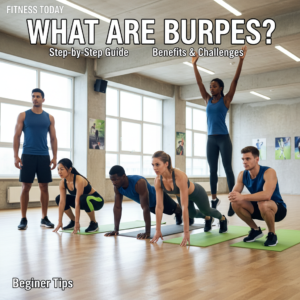
| Intermediate | HIIT: Jump squats, mountain climbers, burpees, and bicycle crunches (40 sec on, 20 sec rest, 4 rounds) |
| Advanced | Weighted circuit: dumbbell presses, pull-ups, deadlifts, jumping lunges (4 rounds, 10 reps each) |
Sample Weekly Training Plan (Customizable Templates)
| Day | Workout Focus |
|---|---|
| Monday | Strength + Mobility |
| Tuesday | Cardio |
| Wednesday | Rest or Light Activity |
| Thursday | Strength |
| Friday | Cardio + Core |
| Saturday | Full-body or Sports |
| Sunday | Rest |
Safety Tips and Common Mistakes to Avoid
- Start each workout with a warm-up and end with a cool-down.
- Use proper form to avoid injuries. If unsure, consult a fitness app or professional trainer.
- Don’t let perfection stop you from making progress—consistency beats intensity for long-term success.
FAQs: Personalizing Your Fitness Journey in 2026
- What if I have no equipment? You can still get fit with bodyweight routines and daily walking.
- How long until I see results? Small changes are noticeable in 3-4 weeks, major progress in 12+ weeks. Stay consistent and track everything.
- What’s the best diet for a personalized fitness routine? The best diet is one you can sustain. Focus on whole foods, lean protein, and balance. Avoid extremes.
- Can I work out if I’m tired or sore? Light activity or a rest day may help. Listen to your body and track recovery in your fitness app.
- How do I stay motivated? Link your fitness goals with your core motivation, use reminders, and involve friends or a coach for accountability.
Summary: Key Points and Next Steps
- Know your motivation and set clear fitness goals.
- Personalize your fitness routine to fit your body, age, and life schedule.
- Balance strength, cardio, and flexibility for total fitness.
- Use technology and community for better tracking and accountability.
- Eat well, rest, and manage stress for faster recovery and long-term results.
- Stay consistent, adjust as needed, and always prioritize safety.
Next, start building your own personalized fitness routine with these steps. Explore new workouts and keep tracking your progress. Remember, motivation and consistency are the keys to long-term success!