Understanding the Fitness Instructor Role in 2026
Types of Fitness Instructors and Specializations
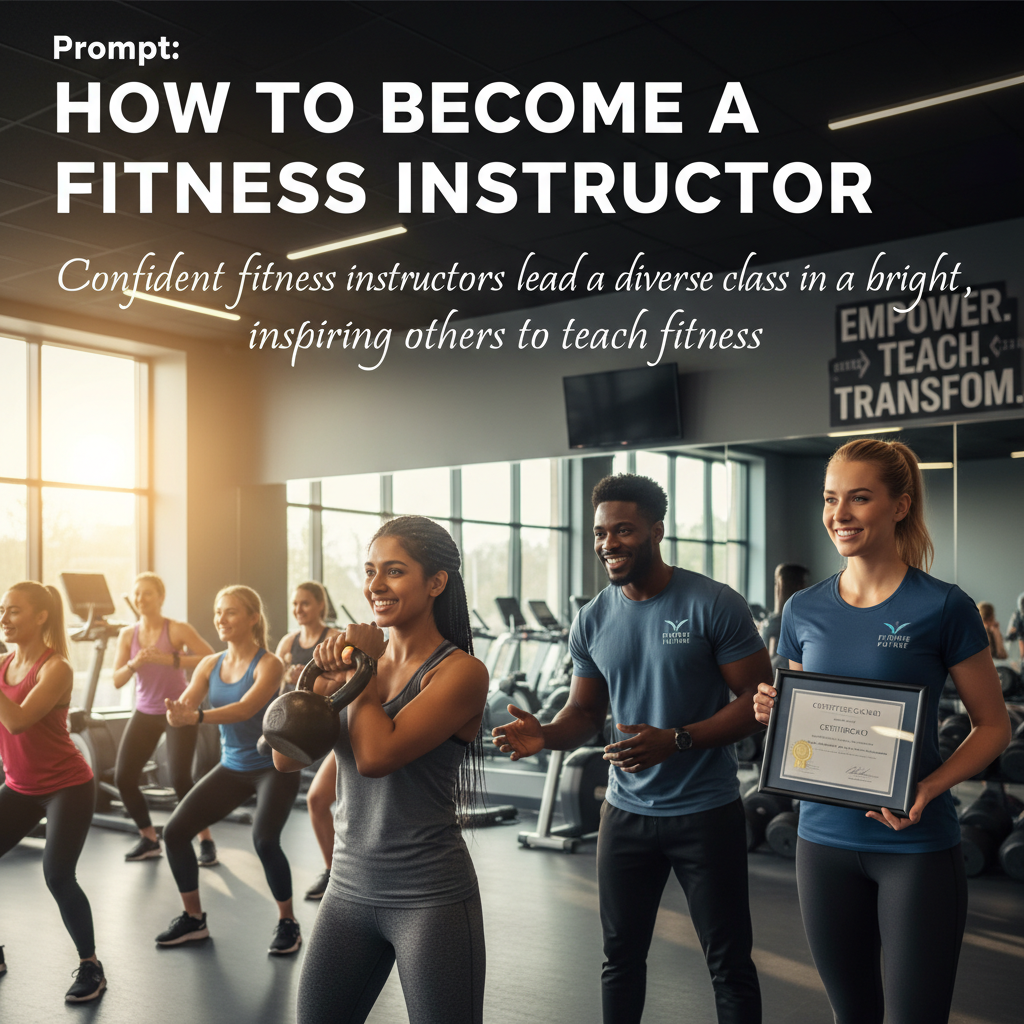
Fitness instructors help people get fit and healthy. There are many types, such as group exercise instructors, personal trainers, yoga teachers, and online fitness coaches. Some focus on special areas like strength training, aerobics, or working with kids and older adults.
- Group instructor: Leads classes like Zumba or HIIT.
- Personal trainer: Guides people one-on-one.
- Yoga/Pilates instructor: Teaches balance and flexibility.
- Online coach: Works with clients over the internet.
Daily Responsibilities and Required Skills
Fitness instructors plan and lead workouts, show people how to use equipment, check forms, and keep everyone motivated. Skills you need include clear communication, patience, fitness knowledge, and the ability to inspire others.
- Key skills: Explaining exercises, keeping clients safe, being friendly, and solving problems.
Mapping Your Fitness Career Path
Assessing Your Passion and Readiness for the Field
Ask yourself: Do you love fitness? Are you good at helping others learn new things? Try coaching friends or joining fitness groups to see how much you enjoy it.
Exploring Career Options: Employment vs. Freelance vs. Online Coaching
You can work at gyms, be your own boss, or coach people online. Each choice has different hours and pay.
- Gym staff: Regular job, steady pay, teamwork.
- Freelance: Choose clients, make your own schedule.
- Online: Reach people all over the world.
Current Trends in the Fitness Industry
Fitness is more digital now. Virtual classes, fitness apps, and wearable trackers are popular. Groups and community fitness are also growing.
Prerequisites Before Certification: Building the Foundation
Developing Foundational Knowledge (Anatomy, Exercise Science, etc.)
Learn basics like how muscles work, what makes a good workout, and how to build fitness programs. Use free online videos and books for grade 9 level.
Gaining Practical Experience: Shadowing, Volunteering, and Personal Training
Watch trainers at the gym, help with sports teams, or train with family. This real-world practice is very useful. It helps you see if this career fits you.
Choosing the Right Fitness Instructor Certification (2026 Update)
Evaluating Accreditation and Industry Acceptance
Choose a certification that is recognized by employers. Look for accrediting groups, such as NASM or ACE, that many gyms trust.
Budget, Timeline, and Learning Formats
- Costs range from $200–$800.
- Takes about 3–6 months to study for the tests.
- Courses can be in-person or online. Pick what fits your style and budget.
Top Certifications Compared
| Certification | Best For | Format |
|---|---|---|
| ACE | General, beginners | Online, text |
| NASM | Personal training focus | Online, workshops |
| AFAA | Group fitness | Online, in-person |
More Than a Certificate: Real-World Skills for Fitness Instructors
Communication, Motivation, and Group Management
You must speak clearly, listen to clients, and encourage them. For group classes, learn to handle different fitness levels and personalities.
Adaptability: Working with Diverse Populations
You’ll work with all kinds of people—kids, adults, seniors, and people with health issues. Learn to adjust workouts for everyone’s needs.
Technology Skills: Apps, Wearables, and Virtual Training Platforms
Modern fitness instructors use apps to track progress and wearables like smartwatches. Learning to teach classes on Zoom or other platforms is a big plus in 2026.
Gaining Experience and Building Credibility
Internships, Entry-Level Jobs, and Assistant Roles
Start as an assistant instructor, intern at a gym, or volunteer for community sports. This builds your résumé and skills.
Getting Client Testimonials and Referrals
Ask happy clients for short reviews or to tell others about your training. Good feedback makes it easier to get new clients.
Networking: Fitness Events, Social Media, and Communities
Go to fitness workshops, join local groups, and make an online profile. Sharing fitness tips online can help you get noticed and connect with more people.
Building Your Fitness Instructor Brand in 2026
Creating a Standout Resume and Online Presence
Make a simple, clear résumé with your skills, experience, and certifications. Set up a LinkedIn page and simple website showing who you are and what you offer.
Social Media Strategies for Fitness Professionals
Share workout tips, videos, and client stories on Instagram, TikTok, or Facebook. Be positive, honest, and helpful. Social media helps you stand out and attract clients.
Personal Branding and Niche Expertise
Find your special area, like teen fitness or post-injury recovery. Being known for something special makes you memorable and attracts a loyal audience.
Launching and Growing Your Fitness Instructor Career
Finding and Securing Your First Job or Clients
- Apply to local gyms or studios.
- Offer free sessions to get experience and testimonials.
- Ask friends and family to help spread the word.
Setting Up as a Freelance or Online Instructor
Create simple business cards and a basic website. Use video calls to train people online. The flexibility is great, but you need discipline to find clients and manage your time.
Business Basics: Contracts, Insurance, and Legal Responsibilities
- Make simple contracts for clients. Free templates are available.
- Buy basic liability insurance to stay safe.
- Learn the basic legal steps—taxes, permits—using beginner resources.
Lifelong Learning and Staying Ahead in the Fitness Industry
Continuing Education and Advanced Certifications
Keep learning with extra courses in nutrition, injury prevention, or new fitness styles. Some organizations require you to renew your certificate every two years.
Following Industry Innovations and Trends
Stay up to date by reading fitness magazines, blogs, and following leaders on social media. Try new apps and classes to keep your routines fresh and interesting.
Methods for Preventing Burnout and Sustaining Passion
- Set realistic goals and rest when you need it.
- Mix up your classes and learn new things.
- Remember why you started and celebrate your progress.
Frequently Asked Questions About Becoming a Fitness Instructor in 2026
- Do I need to be super fit? No, but you need to lead by example and keep improving.
- Is it a well-paid job? Starting pay varies, but it can grow with experience and strong client relationships.
- Do I need a college degree? Usually not—certification is most important.
- What if I’m shy? Communication skills improve with practice, and group settings can boost your confidence.
- Is online coaching a good option? Yes, especially for flexible hours and reaching more people worldwide.
Summary: Key Steps to Becoming a Fitness Instructor
- Understand what fitness instructors do and choose your type.
- Assess your passion, get experience, and learn the basics.
- Pick the right certification for your career goals.
- Develop real-world communication and technology skills.
- Gain hands-on experience and build your network.
- Create your professional brand online and offline.
- Launch your career, keep learning, and stay motivated.
Now is the time to take your first steps. With effort and passion, you can succeed as a fitness instructor and help others lead healthier lives. Good luck on your fitness journey!