What Does “Good” Mean in Pull Ups? Setting Personalized Benchmarks
Understanding Pull Up Standards: Science and Data Explained
Pull ups are a classic test of upper body strength. But what does it mean to be “good” at pull ups? Many factors affect this answer, including age, gender, body weight, and fitness experience. Research shows that average numbers vary widely between groups.
- Boys age 13-18: 3-8 reps is average
- Adult males: 8-15 reps is average
- Adult females: 1-5 reps is average
Athletes and military often aim higher, but it’s important to compare yourself to peers with similar backgrounds.
Pull Ups for Strength vs. Endurance vs. Sport: Adjusting Your Goals
Your goal changes how many pull ups is good. For strength, fewer reps with excellent form are key. For endurance, aim for more reps in a row. For sports or exams, check official standards you need to pass.
- Strength Focus: Aim for clean reps, gradually add weight
- Endurance Focus: Max reps in one set
- Sport/Job Test: Match official or event-specific numbers
Form Matters: The Definition of a Proper Pull Up
A proper pull up starts with arms fully extended and finishes with your chin over the bar, without using momentum (no swinging or “kipping”). Full range of motion is important for safety and getting stronger.
Pull Up Standards by Group: Find Your Target Number
Pull Up Benchmarks for Men by Age and Weight
| Age Group | Beginner | Average | Excellent |
|---|---|---|---|
| 13-17 | 1-3 | 5-10 | 15+ |
| 18-39 | 2-5 | 8-15 | 20+ |
| 40+ | 1-4 | 6-10 | 15+ |
Pull Up Benchmarks for Women: Realistic and Science-Backed
| Age Group | Beginner | Average | Excellent |
|---|---|---|---|
| 13-17 | 0-1 | 2-5 | 8+ |
| 18-39 | 0-2 | 3-6 | 10+ |
| 40+ | 0-1 | 2-4 | 6+ |
Youth and Teens: Age-Appropriate Pull Up Expectations
Boys and girls in middle or high school should focus on good form over high reps. A typical target is 3-6 pull ups for boys and 1-3 for girls by age 15, improving with practice.
Older Adults: Safe Pull Up Standards and Progressions
If you are over 50, 1-4 strict pull ups is a solid accomplishment. Focus first on form and injury prevention, using progressions as needed.
How to Build Up Your Pull Ups — Step-By-Step Progression Plans
From Zero to One: Getting Your First Pull Up
- Step 1: Dead Hang
Hang from the bar with arms fully extended. Build up to 20-30 seconds hold.
- Step 2: Scapular Pulls
While hanging, pull your shoulder blades down and together, repeat for 5-10 reps.
- Step 3: Assisted Pull Ups
Use resistance bands, a partner, or an assisted pull-up machine. Do 2-3 sets of 5-8 reps.
- Step 4: Negative Pull Ups
Jump or step up to the bar and lower yourself slowly. Repeat 5 reps, 3 sets.
- Step 5: Try a Full Pull Up
Once negatives are controlled, attempt a strict pull up!
Leveling Up: Intermediate and Advanced Progressions
- Do multiple sets of 2-5 pull ups once you get your first rep.
- Try weighted pull ups, slow eccentric reps, or pause reps to increase challenge.
- Mix up grip width (wide, narrow, chin-up) to work different muscles.
Custom Plans for Women, Older Adults, and Teens
Women and older adults can benefit from more band-assisted work and extra rest days. Teens should keep reps moderate and focus on steady progress, not maxing out every session.
Overcoming Plateaus: Advanced Tips and Variations
- Add pulling accessory work (rows, bicep curls) to strengthen weak areas.
- Practice different grips and tempos.
- Increase volume slowly — add 1 rep per week, or extra set every other week.
Training Smarter: Programming, Technique, and Equipment
Structuring Your Pull Up Workouts (Weekly Plan Examples)
- Beginner: 2x per week, 3-4 sets of assisted reps, rest >2 minutes
- Intermediate: 2-3x per week, 4-5 sets of strict pull ups, plus negatives
- Advanced: 3x per week, add weighted sets or higher rep sets
Best Supporting Exercises and Mobility Drills
- Inverted Rows (bodyweight)
- Lat Pulldowns (machine or bands)
- Banded Face Pulls, Scapular Push Ups
- Shoulder, arm, and wrist stretches to prevent tightness
Home vs. Gym Pull Ups: Adapting to Your Environment
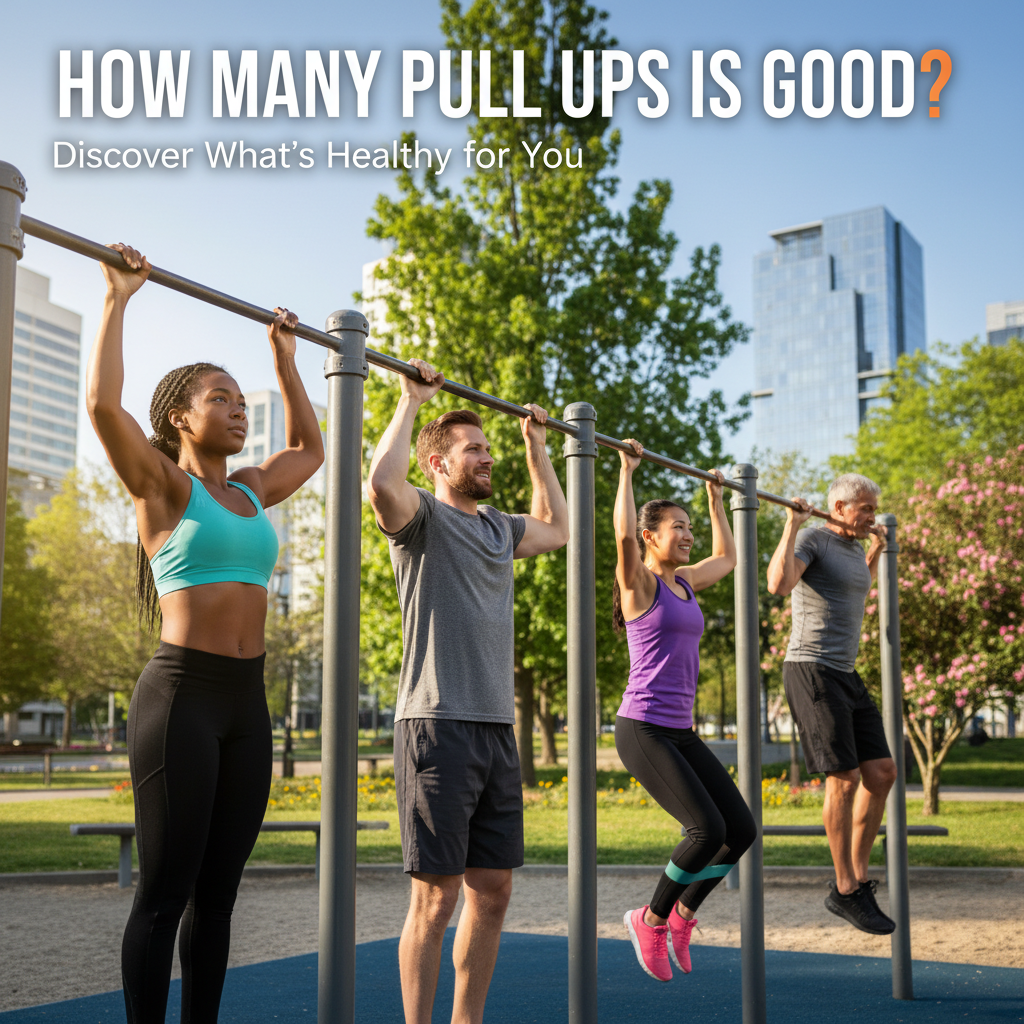
If you have a home pull up bar, you can train anytime. In the gym, use assisted machines. Outdoors, playground bars work perfectly. Focus on safety and enough grip space.
Common Mistakes, Injury Prevention, and Recovery Tips
Strict Form Checklist: Avoiding Cheating and Strain
- Start from a dead hang, finish with chin over the bar
- No swinging, kicking, or half-reps
- Engage back and shoulders before pulling
Preventing Elbow, Shoulder, and Grip Injuries
- Warm up with dynamic stretches
- Do not overtrain; 48 hours rest between sessions is ideal
- Mix up grips to avoid overuse injuries
Recovery Routines to Improve Performance
- Light cardio and stretching after pull up sessions
- Foam rolling of lats, arms, and shoulders
- Get enough sleep for muscle repair
Advanced Applications: Setting Goals Beyond Rep Counts
Military, Law Enforcement & Athletic Pull Up Standards (2026 Updates)
- US Army: 6-12 strict pull ups for males, 1-3 for females (entry)
- Police fitness: Often requires 3-8 pull ups minimum
- Athletes: Sport-dependent (football, climbing, etc.)
Pull Ups for Calisthenics, OCR, and Climbing: Sport-Specific Tips
- Practice explosive pull ups for obstacle races
- Endurance sets for climbing and OCR
- Use thick bars or towel grips for grip strength
Weighted Pull Ups and Skill Variations
- When you can do 10+ strict reps, add weight slowly
- Try archer pull ups, typewriter pull ups, or muscle-ups for variety
Interactive Tools and Resources
Pull Up Progress Calculator (Download or Web Tool)
Track your reps and see your rate of progress over time. Many online calculators offer personalized charts. Use these tools to stay motivated and plan your next goals.
Video Demonstrations for All Levels
Look for trusted YouTube channels or top fitness sites offering pull up tutorials for beginners to advanced athletes. Search “pull up progression video” for guided practice.
Printable Progression Charts
Download or print charts to check off your workout sets and monitor your journey from assisted reps to multiple strict pull ups.
FAQ: How Many Pull Ups Is Good for You? Common Reader Questions Answered
Q: How many pull ups should I be able to do at my age?
A: Use the benchmarks above as a guide. Remember, improvement is what counts most.
Q: I can’t do one pull up. What should I do?
A: Start with hangs, assisted pull ups, and negatives as outlined above.
Q: How often should I train pull ups?
A: 2-3 times a week with rest in-between is best for most people.
Q: Is it bad to use bands or machines?
A: Not at all. They are helpful tools for building up strength to do real pull ups.
Q: Are chin ups or wide grip pull ups better?
A: Both are useful! Chin ups target biceps more; wide grip focuses on lats.
Summary: Being good at pull ups means something different for everyone. Start with proper form, use progressions, train safely, and set goals based on your individual needs. Pull ups are a journey — with patience and the right plan, anyone can improve. Ready to take the next step? Pick a starting point and start your pull up training today!