Why Grip Strength Training Matters in 2026
Latest Research: Grip Strength, Longevity, and Cognitive Health
Recent studies show that grip strength is about more than just muscle. Good grip strength can predict how long you live and how healthy your brain will be as you age. Research in 2025 found that people with strong hand grips are less likely to have memory loss or serious illnesses. So, grip strength training exercises are now seen as essential not only for athletes, but for everyone who wants a healthy future.
Common Benefits: Performance, Injury Prevention, & Daily Function
- Sports Performance: Better grip equals stronger lifts, faster climbs, and safer catches in many sports.
- Injury Prevention: A strong grip protects wrists, elbows, and fingers from sudden injuries.
- Everyday Tasks: Opening jars, carrying bags, or typing for hours gets easier with regular grip strength training exercises.
Grip Strength Training Essentials
Understanding Grip Types: Crush, Pinch, and Support
- Crush Grip: Squeezing something as in a handshake or using a hand gripper.
- Pinch Grip: Holding something between your fingers and thumb, like pinching a plate.
- Support Grip: Holding onto something for time, such as hanging from a pull-up bar or carrying weights.
Equipment Overview: What You Need (and Don’t Need)
- Essential: Dumbbells, pull-up bar, hand gripper, towels, or weight plates.
- Optional: Kettlebells, grip rollers, resistance bands.
- You can do many grip strength training exercises using just bodyweight and household items.
Top Grip Strength Training Exercises (With Step-by-Step Guidance)
Farmer’s Walk & Its Variations
- Hold a heavy dumbbell or kettlebell in each hand, arms straight at your sides.
- Stand tall, brace your core, and walk forward slowly for 30-60 seconds.
- Rest and repeat for 3-4 sets. To progress, use heavier weights or walk longer distances.
Dead Hangs for Grip Endurance
- Hang from a sturdy pull-up bar with both hands, arms straight, and feet off the ground.
- Hold as long as possible, keeping shoulders active (not sinking).
- Repeat for 3 sets. Over time, increase your hang time or try one-handed hangs.
Wrist Curls (Flexor & Extensor)
- Sit and hold a dumbbell with your palm up (for flexors) and rest your forearm on your thigh.
- Curl the weight up using just your wrist, then lower slowly.
- For extensors, keep palm down and lift the back of your hand.
- Do 12-15 reps for 3 sets on each hand.
Hand Gripper Squeezes
- Hold a hand gripper in one hand and squeeze it as tightly as possible.
- Hold for 2-3 seconds, then release slowly.
- Repeat for 12-15 reps each hand. Perform 2-3 sets.
Towel Pull-Ups and Plate Pinches
- For towel pull-ups, throw a towel over a pull-up bar, grab each end, and perform pull-ups using the towel.
- For plate pinches, hold two weight plates together, smooth sides out, and pinch them between your fingers and thumb.
- Hold for 30 seconds or as long as possible. Repeat 3 times.
Advanced Moves: Rack Holds, Kettlebell Crush & Grip Rollers
- For rack holds, hold a loaded barbell at thigh height for time, focusing on your grip.
- Crush kettlebell: hold a kettlebell by its body, not the handle, and squeeze hard.
- Grip rollers: use a thick roller or towel on a bar, and try to roll weight up by rotating wrists.
Progressive Grip Strength Training Plan for 2026
4-Week Beginner Program
- Weeks 1-4: 2 grip sessions per week. Focus on Farmer’s Walks, Dead Hangs, and Hand Gripper Squeezes.
- Each exercise: 3 sets, 30-60 seconds, rest 60 seconds between sets.
- Add 5 seconds or small weight increases each week.
Intermediate Progressions (Weeks 5-8)
- Add: Towel Pull-Ups, Plate Pinches, and Wrist Curls.
- Increase session to 3 times per week. Try to hold or lift heavier objects.
- Challenge: Alternate one-handed hangs and increase plate thickness for pinches.
Advanced Strategies for Grip Masters
- Incorporate rack holds, kettlebell crush, and grip roller training.
- Vary grip width, use thick bars, or add more challenging holds.
- Use contrast training: mix max-effort holds and fast-release exercises.
Programming Tips: Frequency, Sets & Recovery
- Train grip 2-4 times a week for best results.
- Allow at least one recovery day between grip sessions.
- Always warm up hands and wrists before starting grip strength training exercises.
Grip Strength Routines for Specific Sports and Lifestyles
For Climbers & Obstacle Racers
- Focus on dead hangs, towel pull-ups, and plate pinches for finger and forearm strength.
- Add thick bar holds or use rock rings if available.
For Tennis, Golf, & Racquet Sports
- Curl and extension work for wrist stability and endurance.
- Hand gripper squeezes help with strong, controlled shots.
For Weightlifters & CrossFit Athletes
- Farmer’s walks and rack holds improve barbell grip during heavy lifts.
- Mix in towel pulls and grip rollers for extra challenge.
For Office Workers & Everyday Life
- Perform desk dead hangs (hold desk edge when seated) and gripper squeezes.
- Carry groceries or bags with finger tips to develop pinch grip.
Grip Training Without Equipment: At-Home Hacks
Towel & Household Item Drills
- Roll or twist towels tightly, hold ends, and squeeze for time.
- Pinch and carry books or heavy pots by their edges.
- Do “bag carries” by loading shopping bags and walking around the house.
Bodyweight-Only Grips: Hangs, Holds, and Squeezes
- Hang from any safe door frame or sturdy ledge with hands or fingertips.
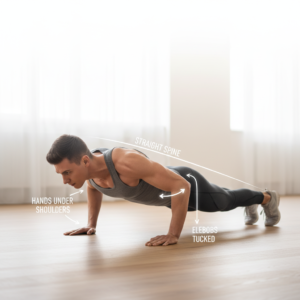
- Finger push-ups (do on knees if needed) build grip and finger strength.
- Make a fist and squeeze for 5 seconds, then relax; repeat for 2 minutes.
Science-Backed Tips and Common Mistakes in Grip Training
Proper Form & Technique
- Always use a full grip. Avoid letting weights slip to just the fingers.
- Maintain a neutral wrist. Don’t let wrists bend excessively.
- Keep shoulders down and back during hangs and walks.
Avoiding Overuse Injuries
- Start slow and progress gradually.
- Rest whenever you feel soreness or fatigue in the forearms or fingers.
- Stretch hands and wrists after each session.
Tracking Progress Effectively
- Record your maximum hold times and weights used.
- Take a weekly photo or measurement of forearm size for motivation.
- Test your grip every 4 weeks with a gripper or hang hold.
FAQ: Everything You Want to Know About Grip Strength Training Exercises
Most Effective Training Frequency
2-4 sessions per week is best. Allow at least 48 hours between tough sessions for hand recovery and muscle growth.
Best Way to Track Progress
Log your times, reps, and weights in a notebook or app. Test every four weeks with a grip test to see improvements.
How to Train Around Hand Pain or Injury
Avoid direct grip training if you have pain. Try lighter exercises, stretches, or take a break until you recover. Always listen to your body.
When to Expect Results
With regular grip strength training exercises, most people feel stronger in 3-4 weeks. Visible results often appear in 2-3 months.
Integrating with Full-Body Workouts
Finish regular workouts with 1-2 grip exercises, such as farmer’s walks or dead hangs. You can also do short grip “finishers” on non-lifting days.
References and Further Reading (2026 Edition)
- World Journal of Sports Medicine, “Grip Strength and Health Markers in Youth,” 2025.
- American College of Sports Medicine, “Hand Grip and Longevity Review,” 2024/2025.
- International Journal of Exercise Science, “Training for Grip Strength: New Protocols,” 2026.
- National Strength & Conditioning Association, “Practical Methods for Grip Strength” (2026 update).