What Is Functional Weight Training? Understanding the Basics
Defining Functional Weight Training
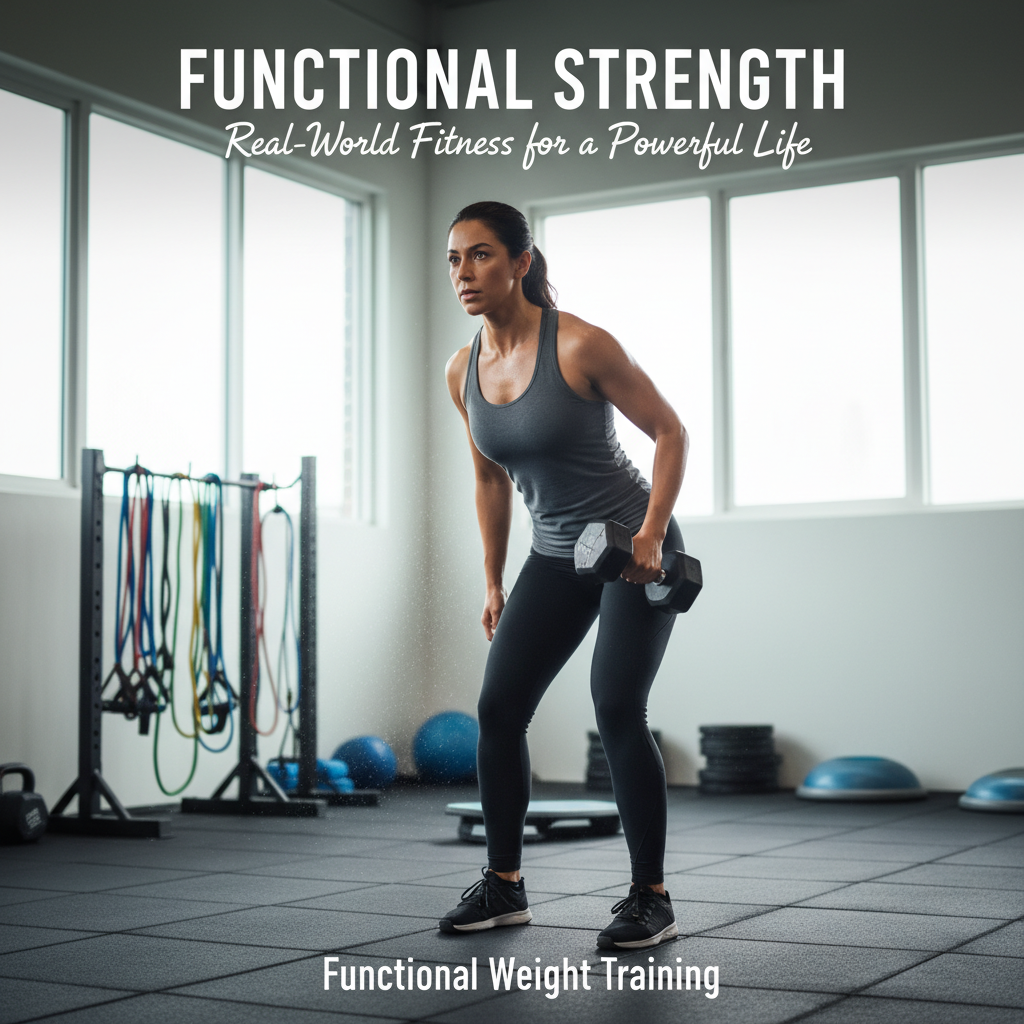
Functional weight training is a way of exercising that helps you become stronger for everyday movements. It focuses on using muscles together, not just one part of your body at a time. These exercises copy actions you do in real life, like squatting, lifting, or twisting.
Benefits Over Traditional Weightlifting
- Improves movement for daily life tasks, like carrying bags or standing up.
- Builds balanced strength. It trains your whole body, not just single muscles.
- Helps prevent injuries. Training the body to move well is good for joints and muscles.
- Supports better posture and core stability.
- Makes sports and recreation activities easier and safer.
Key Functional Movement Patterns to Know
- Squats (bending your knees and hips, like sitting down)
- Hinges (bending from your hips, such as a deadlift)
- Pushes (pushing away from your body, like push-ups or overhead presses)
- Pulls (pulling towards you, like rows or pull-ups)
- Rotations (twisting your core)
- Carrying (holding and moving with weight)
Essential Equipment for Functional Weight Training at Home or Gym
Must-Have Free Weights and Tools
- Dumbbells: Versatile and easy to use.
- Kettlebells: Great for swings and functional lifts.
- Resistance Bands: Good for all levels and joint-friendly.
- Medicine Ball: Useful for throws and core work.
Optional Gear for Progression and Variety
- Barbells: Allow more weight for advanced lifters.
- Sandbags: For unstable loads and grip strength.
- Suspension Trainers: For bodyweight resistance and balance.
- Balance Pads or BOSU Balls: To add instability and challenge core muscles.
Setting Functional Weight Training Goals for Different Populations
For Beginners: Building a Solid Foundation Safely
- Focus on learning basic movement patterns with good form.
- Start with light weights or even bodyweight.
- Build confidence step by step. Consistency is key.
For Athletes: Enhancing Sport-Specific Performance
- Choose exercises that copy your sport’s movements.
- Add balance and core challenges to improve agility and strength.
- Use heavier weights or faster speed as you get stronger.
For Seniors: Boosting Mobility and Injury Prevention
- Emphasize balance, joint flexibility, and core stability.
- Start with low resistance and higher reps.
- Pick movements that support daily living, like sit-to-stand or step-ups.
For Rehab: Safe Training After Injury
- Always consult a healthcare professional first.
- Use slow, controlled moves and light resistance.
- Target weak, tight, or previously injured areas gently.
Designing an Effective Functional Weight Training Program (2026 Edition)
Sample Weekly Templates by Experience Level
| Level | Sessions | Focus |
|---|---|---|
| Beginner | 2–3 per week | Full-body, bodyweight, and light free weights |
| Intermediate | 3–4 per week | Split by push/pull, more weight and volume |
| Advanced | 4–5 per week | Sport-specific, heavy weights, plyometrics |
How to Progress: Sets, Reps, and Weight Selection
- Start with 2–3 sets of 8–12 reps for each exercise.
- If you can easily finish all reps, increase the weight slightly or do more reps next time.
- Change only one thing at a time: weight, reps, or sets.
- Track your progress on paper or with an app.
Periodization and Adaptation Principles
- Begin with a focus phase, such as endurance (higher reps, lower weight).
- Switch after a few weeks to build strength (lower reps, heavier weight).
- Alternate between phases to keep challenging your body and prevent plateaus.
- Take breaks every 6-8 weeks for recovery and adaptation.
Top Functional Weight Training Exercises and Progressions
Compound Movements for Total-Body Strength
- Squat variations: Goblet squat, split squat, bodyweight squat
- Deadlift variations: Kettlebell deadlift, Romanian deadlift
- Push: Push-up, overhead press, floor press
- Pull: Dumbbell row, band pull-apart, assisted pull-up
- Lunge and step-up: Walking lunge, step-up with weights
Integrating Balance, Stability, and Core
- Single-leg stands or squats
- Plank and side plank
- Farmers carry (carry heavy weights in your hands)
- Medicine ball throw with a twist
Exercise Variations for Adaptation
- Change grip, stance, or range of motion.
- Add instability (use one leg, or balance equipment).
- Increase speed (with control) for power training.
Combining Functional Weight Training with Cardio, Flexibility, and Recovery
Hybrid Workouts: Circuits and Conditioning
- Choose 4–6 exercises (combine push, pull, squat, carry).
- Do each exercise for 30–60 seconds, with 15–30 seconds of rest.
- Repeat the circuit 2–4 times.
- Keep moving to raise your heart rate and build endurance.
Mobility Drills and Warm-Up Routines
- Start every session with 5–10 minutes of easy cardio (walking or bike).
- Use dynamic stretches: arm circles, hip swings, bodyweight lunges.
- Add joint circles or foam rolling to prepare your muscles.
Recovery Strategies for Sustainable Progress
- Plan 1–2 rest days each week.
- Sleep at least 7–8 hours per night.
- Stretch after your workout to improve flexibility.
- Use gentle movements or light cardio on recovery days.
Common Mistakes in Functional Weight Training and How to Avoid Them
Technique Pitfalls and Safety Tips
- Do not rush through exercises. Focus on slow, controlled movements.
- Always keep your core tight to protect your lower back.
- If an exercise hurts (not just muscle burn), stop and rest.
- Start with bodyweight or light weights to learn the proper form.
Overtraining and Injury Risk Management
- Give your body time to rest. More is not always better.
- Rotate exercises to prevent overuse of the same muscles.
- Listen to your body. If you feel tired or sore, take a break.
Step-by-Step Video Demonstrations and Multimedia Resources (2026)
Where to Find Trusted Form Tutorials
- Check YouTube channels from certified trainers.
- Use official fitness organization websites, like American Council on Exercise (ACE) or National Academy of Sports Medicine (NASM).
- Look for exercise libraries from trusted fitness apps.
Apps and Tools for Tracking Progress
- MyFitnessPal for tracking workouts and nutrition.
- Strong app or Fitbod for recording sets, reps, and weight.
- Google Sheets for custom tracking.
Frequently Asked Questions About Functional Weight Training
- How is functional weight training different from regular weightlifting? It trains movement patterns, not single muscles.
- Do I need a gym for functional weight training? No. Many exercises need only simple tools or bodyweight.
- Can anyone do it? Yes. It suits all ages and fitness levels, with the right adjustments.
- How fast will I see results? You may notice better movement and strength in 4–8 weeks, depending on how often you train.
References and Further Reading on Functional Weight Training
- “The Essentials of Functional Training,” NASM, 2023 Edition
- ACE Fitness: Functional Training Resources and Guides
- Journal of Strength and Conditioning Research, Offical NSCA Publications
- “Functional Training,” Michael Boyle, Human Kinetics, 2022
- Explore online video platforms and app stores for new guides and demonstrations
Summary: Key Points and Next Steps
- Start functional weight training with basic compound movements.
- Use simple equipment like dumbbells or bands at home or in the gym.
- Focus on good form, not just lifting heavy.
- Set goals based on your needs—health, sports, mobility, or recovery.
- Combine your training with cardio, flexibility, and rest for best results.
- Track your progress and update your plan as you improve.
- Watch quality tutorials and keep learning new techniques.
Advanced Tips for Optimization and Improvement
- Try supersets or circuits to challenge your endurance.
- Add new exercise variations every 4–6 weeks to avoid plateaus.
- Work with a coach or trainer for expert feedback.
- Join a group class or community for motivation and support.
- Keep updating your knowledge with new research and trends in functional training.
Functional weight training is a practical, safe, and effective way to build strength for real life. Start simple, train smart, and make steady progress. Your body will thank you in daily life and in every activity you do.