Why Bodyweight Back Exercises Matter in 2026
Evidence-Based Benefits for Strength, Posture & Health
Bodyweight back exercises are gaining popularity in 2026. They help build strength, improve posture, and support overall health. Strong back muscles help you sit and stand up straight. Good posture reduces neck, shoulder, and back pain. Bodyweight moves are safe, require no equipment, and can be done anywhere. Research shows that a strong back also boosts sports performance and daily movement.
Latest Research on Back Muscle Activation (2026)
Recent studies highlight how bodyweight back exercises activate the upper, middle, and lower back muscles. Science in 2026 confirms that simple moves like bodyweight rows and reverse snow angels can spark similar muscle growth to gym machine workouts. Research also shows these exercises help evenly strengthen both sides of your back—key for injury prevention and balanced posture.
Bodyweight Back Anatomy 101
Key Back Muscles Targeted by Bodyweight Moves
Your back has several important muscle groups that bodyweight moves target:
- Latissimus dorsi (lats): Large muscles on your sides that help you pull your arms down and back.
- Rhomboids: Between your shoulder blades, they squeeze your shoulders together.
- Trapezius (traps): Across the upper back and neck, they support the arms and improve posture.
- Lower back muscles (erector spinae): Run along your spine, helping keep you upright.
Muscle Activation Visuals for Each Exercise
Each exercise highlights different muscles:
- Inverted rows: Lats, rhomboids, traps.
- Superman holds: Lower back (erector spinae).
- Reverse snow angels: Upper back and rear shoulders.
- Doorway rows: Lats, traps, biceps.
Essential Tips for Safe & Effective Bodyweight Back Training
Warming Up Your Back: Injury Prevention in 2026
- Start with 3 minutes of brisk walking or gentle jumping jacks to increase heart rate.
- Do arm circles (forward and backward) for 30 seconds each.
- Practice 10 cat-cow stretches to loosen the spine and back muscles.
- Try 10 shoulder blade squeezes: pull elbows back, squeeze, release.
Warming up prepares your back muscles and reduces the risk of straining or pulling them during exercises.
Common Mistakes and How to Fix Them
- Arching the lower back too much: Focus on keeping your core tight during each move.
- Shrugging the shoulders: Relax your neck and keep shoulders down and back.
- Using momentum: Move slowly and control every repetition.
- Inconsistent workouts: Stick to a regular routine for real progress.
The Best Bodyweight Back Exercises (Step-by-Step How-To)
Beginner-Friendly Variations
- Wall Angels
- Stand with your back against a wall.
- Raise your arms to make a “W” shape, elbows touching the wall.
- Slowly slide arms overhead, keeping them in contact with the wall.
- Lower arms back to start. Repeat 10-15 times.
- Doorway Rows
- Stand in a doorway, grab both sides just below shoulder height.
- Lean back, so arms are straight and body tilts slightly.
- Pull chest forward, squeezing shoulder blades together.
- Slowly return to start. Do 8-12 repetitions.
- Reverse Snow Angels
- Lie on your stomach with arms at sides, palms down.
- Lift chest slightly off the floor.
- Sweep arms out to overhead, thumbs up, then back to hips.
- Repeat for 10-15 reps.
Intermediate Progressions
- Inverted Rows (Under Desk or Table)
- Lie under a sturdy table or desk. Grab the edge with both hands, feet on the floor.
- Pull your chest towards the table, keeping your body straight.
- Lower yourself back down with control.
- Do 6-10 repetitions.
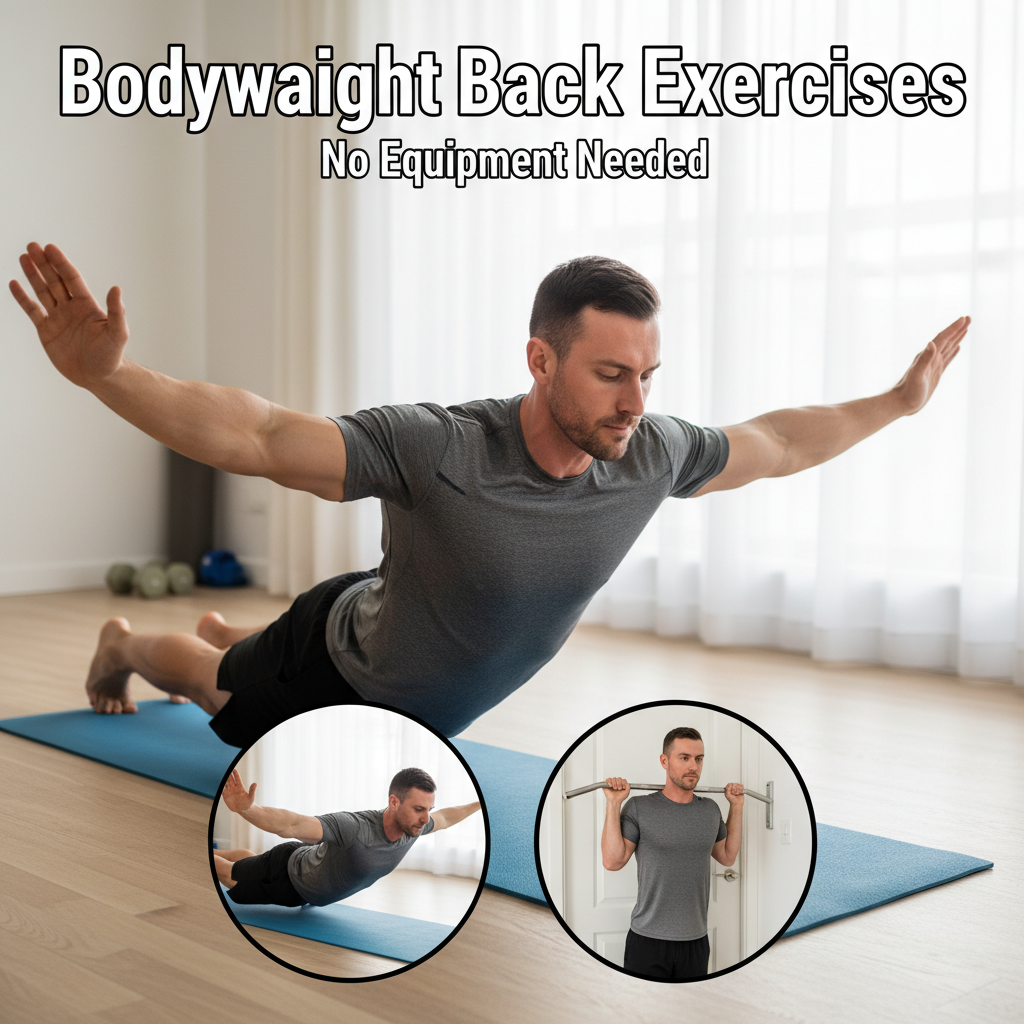
- Superman Holds
- Lie face down on the floor, arms outstretched.
- Lift both arms and legs up, keeping neck neutral.
- Hold for 15-30 seconds, then relax.
- Repeat 2-3 times.
Advanced Movements for Maximum Challenge
- Single-Arm Inverted Row
- Set up as for inverted row, but use one hand.
- Pull yourself up, keeping body stable.
- Lower with control, switch hands after reps.
- Start with 3-5 reps per side.
- Arch Hold Rocks
- Lie on your stomach. Extend arms and legs off the ground.
- Squeeze your glutes and upper back.
- Rock gently forward and backward, keeping neck relaxed.
- Continue for 20-30 seconds.
Pro Tips for Perfect Form
- Move slowly—avoid rushing.
- Keep your core muscles tight to support your spine.
- Breathe out as you pull, breathe in as you lower.
- Focus on squeezing your shoulder blades together on each rep.
Tailored Bodyweight Back Workouts for Every Lifestyle
At-Home Routine for Beginners (Printable Plan)
Try this simple routine three times a week:
- Wall Angels – 2 sets of 12 reps
- Doorway Rows – 2 sets of 8 reps
- Reverse Snow Angels – 2 sets of 10 reps
- Cat-Cow Stretch – 2 sets of 8 reps
Desk Worker Plan: Combat Sitting-Induced Imbalances
- Stand and do 10 wall angels every hour.
- Seated band pull-aparts (use a stretchy band or towel) – 2 sets of 15 reps.
- Shoulder blade squeezes – 3 sets of 10 reps, twice daily.
Athlete/Performance-Focused Protocol
- Inverted Rows – 3 sets of 10 reps
- Superman Holds – 3 sets of 30-second holds
- Reverse Snow Angels – 2 sets of 15 reps
- Arch Hold Rocks – 2 sets of 20 seconds
Special Considerations: Low Back Pain Prevention
- Warm-up with gentle cat-cow stretches.
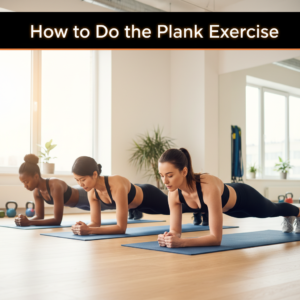
- Emphasize core stability (hold planks for 20-30 seconds).
- Choose wall angels and superman holds for strengthening without strain.
- Move slowly and avoid any pain during exercises.
How to Build Your Own Bodyweight Back Program
Sets, Reps, and Progression Strategies
- Start with 2 sets of 8-12 reps for each move.
- As you get stronger, add one more set (up to 3-4 sets).
- Increase reps or hold time when you can do all reps with good form.
- Add advanced moves for continued challenge.
Customizing for Strength, Muscle, or Posture Goals
- Strength: Focus on fewer reps (6-8) with hard variations like single-arm rows.
- Muscle growth: Moderate reps (8-15) with slow lowering phases and full range.
- Posture: Choose moves that open the chest and squeeze shoulder blades (wall angels, snow angels).
Tracking Progress: Interactive Checklist
| Exercise | Goal Reps | Date Achieved | Notes |
|---|---|---|---|
| Wall Angels | 15 | ||
| Doorway Rows | 12 | ||
| Superman Holds (seconds) | 30 | ||
| Inverted Rows | 10 |
Expert Insights: Bodyweight Back FAQs & Common Myths
Q&A with Fitness Professionals
- Q: Can bodyweight back exercises really build muscle?
A: Yes! With the right progressions and effort, you can gain strength and muscle. - Q: How often should I train my back?
A: Aim for 2-3 times per week for best results. - Q: What if I feel pain?
A: Stop right away. Return only after the pain is gone and check your technique.
Debunking 2026’s Top Back Training Myths
- Myth: You need heavy weights for a strong back.
Fact: Bodyweight moves work just as well when done correctly. - Myth: Back exercises are unsafe.
Fact: With proper form and warm-up, they are safe for most people. - Myth: Only pull-ups matter for the back.
Fact: Many exercises target the back and are great even without a pull-up bar.
Resources & Next Steps for Back Fitness Success
Printable PDF Routines & Logs
- Create a workout calendar with your chosen routines.
- Use a printable log to track progress in reps, sets, and feelings after each session.
Recommended Apps & Video Demonstrations
- Try apps like Fiton, Nike Training Club, or YouTube for guided routines.
- Search for “Bodyweight Back Exercises” to find step-by-step video guides.
- Check local fitness websites for printable plans and back care tips.
Summary: Key Takeaways & Next Steps
Mastering bodyweight back exercises boosts strength, posture, and overall health. These moves are easy to learn, need no equipment, and suit any level. Start with the basics, focus on perfect form, and stick to a consistent schedule. Regular training using these exercises will build a strong, injury-proof back for life in 2026 and beyond. Keep progressing, track your improvements, and enjoy the benefits of a healthier, stronger back!