Why Stretching Your Hamstrings Matters in 2026
Modern Lifestyles and Hamstring Stiffness
Many people today spend a lot of time sitting, whether at school, work, or home. This habit can make hamstring muscles tight and stiff, which may cause discomfort or even injuries. Regular stretching can help keep your hamstrings flexible and healthy.
Benefits for Athletes, Desk Workers, and Everyday Movers
Stretching your hamstrings can help you move better and avoid injuries. It is important for athletes, people who sit often, and anyone who wants to feel less tightness in their legs. Flexible hamstrings also support better posture and can improve sports performance.
Preparing for a Safe Hamstring Stretch
Proper Warm-Up Techniques
- Start with 5-10 minutes of light activity, like marching in place or walking quickly.
- Move your legs gently to get blood flowing to the hamstrings.
Tools and Equipment for Better Stretching Results (Bands, Rollers, etc.)
- Resistance bands: Helpful for deepening stretches.
- Foam rollers: Great for loosening tight muscles before stretching.
- Mat: Provides comfort and grip on the floor.
Best Hamstring Stretches for Every Need
Classic Static Hamstring Stretches (Beginner-Friendly)
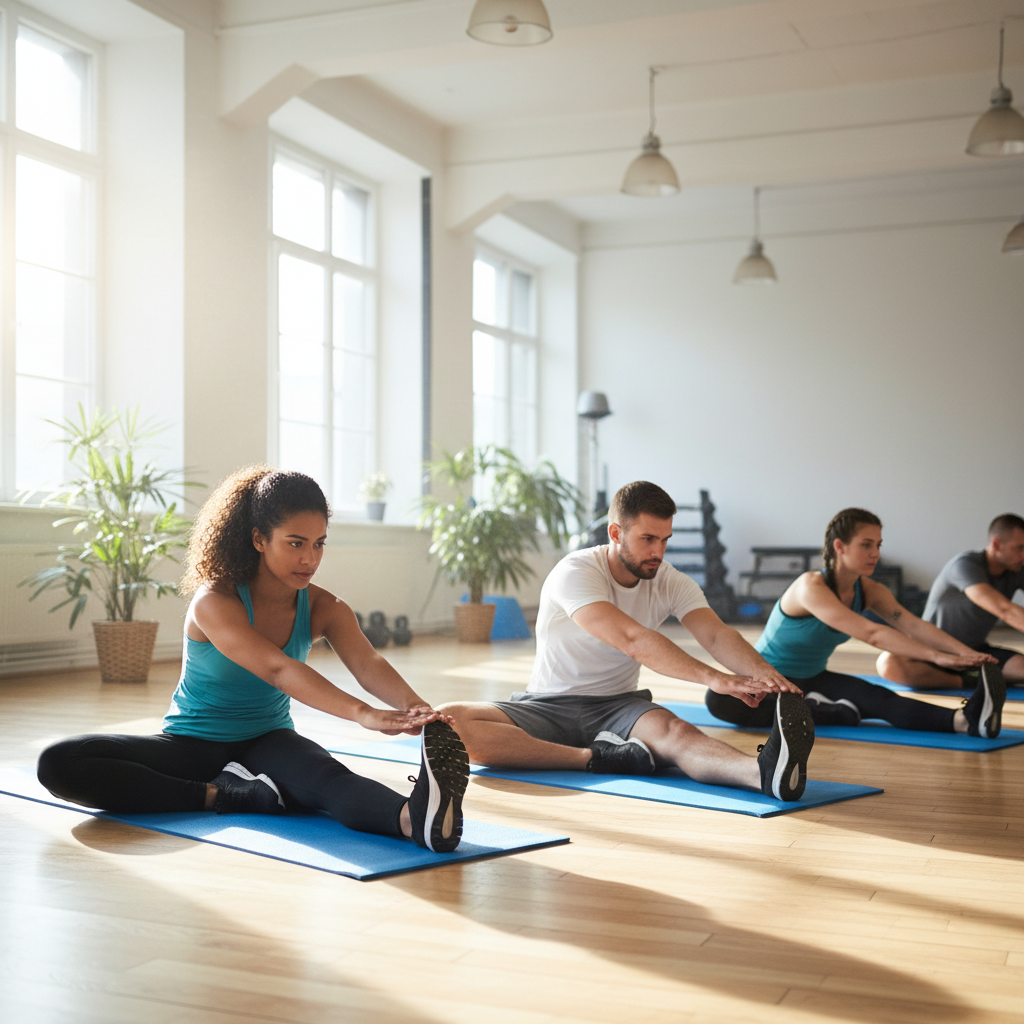
- Sit on the floor with legs straight.
- Keep your back flat and slowly reach toward your toes.
- Hold for 20-30 seconds. Do not bounce or force the stretch.
- Repeat 2-3 times, switching between both legs if needed.
Dynamic Hamstring Stretches for Active Warm-Ups
- Stand upright and swing one leg forward and back in a slow, controlled motion.
- Keep your leg straight but avoid forcing the movement.
- Do 10-15 swings, then switch legs.
Advanced Mobility Moves for Athletic Performance
- Try the standing hamstring stretch with one leg on a low bench.
- Lean forward slightly while keeping your back straight.
- Add a gentle twist toward your raised leg for a deeper stretch.
- Hold for 20-30 seconds each side.
Sports-Specific Hamstring Stretching Routines
Runners: Targeted Pre- and Post-Run Stretches
- Before running, do dynamic swings as a warm-up.
- After running, use the seated hamstring stretch to cool down.
Cyclists & Gym-Goers: Stretching Strategies
- Try standing stretches using a chair for balance.
- Use resistance bands to increase flexibility after workouts.
Yoga and Pilates-Inspired Hamstring Flexibility
- Downward Dog: Start on hands and feet, lift hips high, and gently push heels toward the floor.
- Forward Fold: Stand with feet hip-width apart, bend forward at the hips, and let your upper body hang, keeping knees slightly bent if needed.
Desk Worker Adaptations: Stretching While Seated or at Work
Easy Seated Stretches for Office or Home
- Sit tall at the edge of your chair.
- Extend one leg straight, heel on the floor.
- Lean forward gently until you feel a stretch in your hamstring.
- Hold for 20 seconds, then switch legs.
Microbreak Movements to Prevent Tightness
- Stand up every hour to walk or stretch for 1-2 minutes.
- Practice seated leg extensions: Straighten one leg and hold, then switch sides.
Avoiding Common Mistakes During Hamstring Stretching
Proper Form and Spinal Alignment
- Always keep your back straight when reaching toward your toes or legs.
- Avoid rounding or hunching your lower back.
How to Recognize & Avoid Overstretching
- Stretch only until you feel mild tension, not pain.
- Avoid bouncing or jerking movements.
When to Stop: Pain vs. Discomfort
- Discomfort is okay, but sharp pain is not. If you feel pain, stop stretching and consult an expert.
Hamstring Stretching for Injury Recovery and Prevention in 2026
Protocols for Rehabilitation and Safe Return to Activity
- Begin with gentle, static stretches as advised by a health professional.
- Increase intensity slowly after healing.
- Include strengthening exercises to prevent further injuries.
Expert Q&A: Physical Therapist Insights
- “Focus on slow, regular stretching rather than trying to make fast gains.”
- “Combining stretching with strength training offers the best long-term results.”
Interactive Stretch-Along Guide: Visual Cues and Video Resources
Follow-Along Stretch Routine (Video & Images)
- Search online for “hamstring stretch routine for beginners (2026)” for updated video demonstrations.
- Use image guides to check your form during each stretch.
Infographic: Hamstring Anatomy and Stretching Tips
- Look for anatomy charts showing the hamstring location to better target your stretches.
- Infographics can help you remember safe stretching rules.
Frequently Asked Questions About How to Stretch Hamstring
- Q: How often should I stretch my hamstrings? Aim for 3-5 times per week for best results.
- Q: How long should I hold each stretch? Hold stretches for 20-30 seconds, and repeat as needed.
- Q: Will stretching fix my back or knee pain? Stretching can help, but always check with a doctor if you have lasting pain.
- Q: Can I stretch if I already feel sore? Start gently and avoid pushing into pain. Soreness should improve as you get more flexible.
References and Further Reading on Hamstring Stretching (2026)
- American Council on Exercise: Hamstring Stretching Guide
- National Academy of Sports Medicine: Flexibility Training Tips
- Sports Medicine Journals and Physical Therapy Resources (2026 updates)